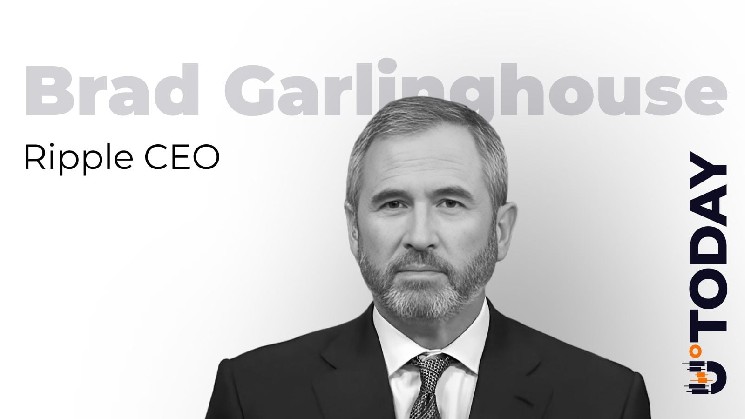
Ripple’s recent scaling efforts in the Middle East have garnered attention, particularly with CEO Brad Garlinghouse celebrating the move on X, formerly known as Twitter. His message underscores the company’s expansion in the United Arab Emirates (UAE), highlighting the establishment of a new headquarters at the Dubai International Financial Centre (DIFC).
The decision to launch this headquarters is driven by a burgeoning demand for regulated digital asset services, particularly in areas like payments and custody. This new facility will allow Ripple to significantly increase its regional workforce, with plans to double the size of its existing team to better meet the needs of local businesses.
Reece Merrick, Ripple’s Managing Director for the Middle East and Africa, has reported a substantial and growing interest from local enterprises in Ripple’s offerings. The company, which initially set roots in the UAE in 2020, has increasingly positioned itself as a key player in the region’s financial landscape. Over the years, the Middle East has developed into a crucial hub for Ripple, contributing significantly to its global customer base.
With the establishment of its new headquarters, Ripple aims to enhance its support for its network of partners in the region, which includes notable clients such as Zand Bank and Absa Bank. This expansion comes at a time when Ripple is actively navigating the complexities of international markets.
Garlinghouse had previously indicated a potential relocation of Ripple’s global headquarters from San Francisco to Dubai amid regulatory challenges faced in the U.S., particularly with the SEC. Ripple executives have consistently praised Dubai’s progressive stance on cryptocurrency regulations, which has been a pivotal factor in the company’s strategic decisions.
In a landmark achievement, Ripple became the first blockchain payments provider to secure full licensing from the Dubai Financial Services Authority (DFSA) in March 2023. The DFSA has also recently recognized Ripple’s RLUSD stablecoin, further solidifying the company’s presence in the region.
As Ripple continues to adapt and grow in the Middle East, its developments may serve as a bellwether for the future of digital assets and blockchain technology in the global financial ecosystem.