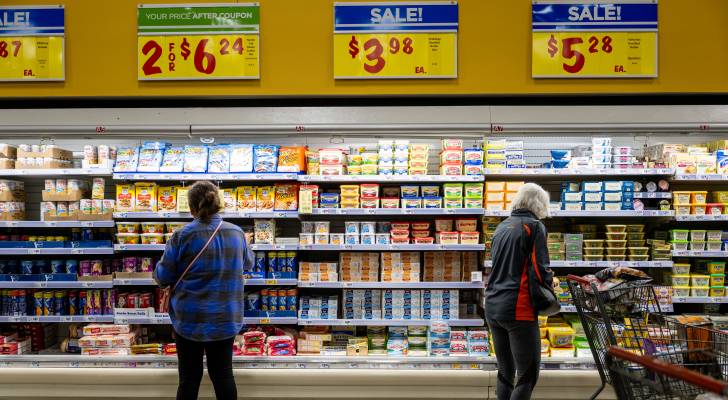
A significant shift in the economy, marked by rising prices and new tariffs enacted during the Trump administration, is intensifying the financial strain felt by many Americans, particularly in relation to grocery costs. Recent polling data from the Associated Press-NORC Center for Public Affairs Research underscores this stress, revealing that a staggering nearly 50% of Americans report that escalating food prices are a major source of anxiety. Conversely, only 14% indicate that groceries are not a financial burden.
This concern is pervasive across all age groups. While younger individuals may be grappling with student debt, credit card bills, and high housing costs, the anxiety related to groceries transcends age. Both young and older Americans are feeling the pressure as prices continue to skyrocket.
Many families are turning to food assistance programs for relief, but the stability of these resources is increasingly uncertain. The changing political landscape has led to heightened concerns about the future viability of local food banks. Esther Bland, a 78-year-old beneficiary of such assistance, expressed her anxiety about potential changes: “I have no savings…if I lost that [assistance], groceries would absolutely be a major source of stress.”
The impact of rising food costs is especially pronounced among low-income households, where nearly two-thirds of individuals earning under $30,000 annually categorize grocery expenses as a significant financial worry. Additionally, women and Hispanic adults report a notably higher level of stress regarding food prices, further emphasizing the varied experiences of different demographics in this escalating crisis.
In a bid to manage their financial shortfalls, some consumers have resorted to “buy now, pay later” (BNPL) services offered by companies such as Affirm, Klarna, and Afterpay. While these services are marketed as a safer alternative to traditional loans, reports indicate that many users are accumulating debt beyond their means. The convenience of quick payment options may lead to overlapping bills and increase the chances of missed payments, particularly as BNPL transactions are now reported to credit bureaus, creating risks for consumers’ credit scores.
Despite the widespread nature of this anxiety, its effects can vary significantly between individuals. A study by Northwestern Mutual revealed that around 70% of Americans are experiencing depression and anxiety linked to financial uncertainty. Younger people report particularly alarming rates of financial stress, with a significant number noting that their financial woes have affected their physical health, sleep quality, and even interpersonal relationships.
As food prices escalate, many are forced to juggle multiple jobs or side gigs, further compounding their stress and its associated health implications. In light of these challenges, experts suggest that individuals reassess their grocery budgets. Tracking spending, crafting meal plans, and shopping with a list can help manage food costs. Additionally, switching to discount grocers or opting for generic brands, utilizing coupons, and reducing the frequency of dining out can all contribute to lower expenses. If grocery costs remain burdensome, seeking local food assistance or applying for government programs such as SNAP or WIC may provide necessary relief.
As many Americans navigate this tumultuous economic landscape, the priority remains clear: securing the means to feed families amid rising costs and uncertain futures.