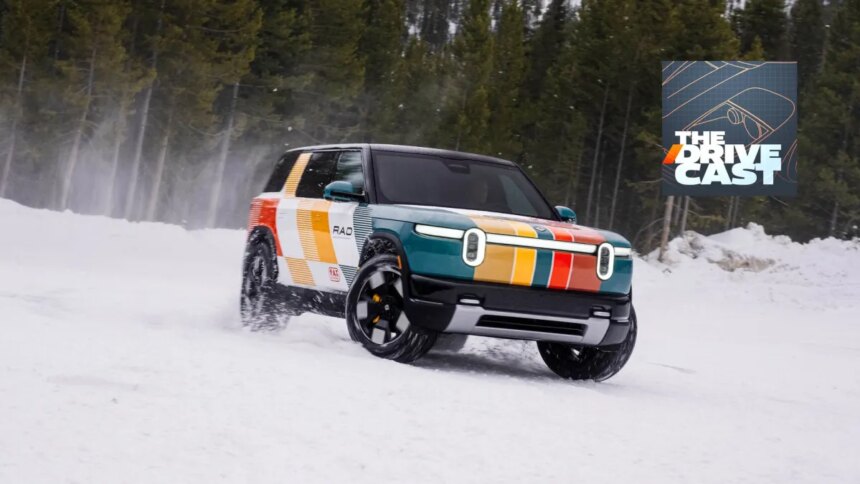
Rivian is gearing up for a significant leap in its growth trajectory as it prepares to launch the R2, a vehicle that marks the company’s shift from a niche manufacturer of high-priced electric trucks and SUVs to a more mainstream presence in the automotive market. During an enlightening conversation in Park City, Utah, Rivian Founder and CEO RJ Scaringe provided insights into the ambitious plans surrounding the R2, amid discussions on production, service, and future offerings.
Scaringe emphasized that the R2 represents not just a new vehicle, but a strategic pivot that the entire company has been building towards. A vital part of this strategy includes the construction of a new factory in Georgia aimed at ramping up production and supporting Rivian’s mass-market ambitions. Scaringe discussed the painful growing pains the company has experienced, particularly in scaling its service network, as it rolls out vehicles to a wider consumer base.
With R2 expected to be a make-or-break product, Scaringe assured that it will achieve profitability quickly. He noted that while Rivian has yet to generate a net profit overall, the company has intentionally invested in new capabilities such as software and service infrastructure in anticipation of the demand that R2 will generate. Rivian currently boasts an impressive number of reservations, with hints that the figure stands significantly higher than previously disclosed.
A considerable focus was also placed on Rivian’s service capabilities, an area that has faced criticism in the past. Scaringe acknowledged the challenges of scaling operations, especially when trying to meet high customer expectations. He assured potential buyers that improvements have been made to reduce service wait times significantly, aiming to offer a more seamless customer experience. This is vital considering that many R2 owners may rely on the vehicle as a primary mode of transportation.
Charging infrastructure remains another essential element of Rivian’s plan, with Scaringe discussing the ongoing development of the Rivian Adventure Network (RAN). Although Rivian’s network lags behind Tesla’s in size, the company aims to offer high uptime and reliability as it expands the charging network, with a responsible and strategic buildup aligned with new product launches.
Scaringe also touched on the Rivian Adventure Department (RAD), which aims to create performance-oriented variants of their vehicles. While the specifics of these products are still under wraps, the initiative is seen as a way to enhance the driving experience for those craving more excitement and performance. The RAD vehicles are likely to showcase higher-end features that distinguish them from the base models, catering to true car enthusiasts.
Looking ahead, the conversation veered into the topic of product development, with Scaringe hinting at potential variations and expansions to the R2 and R3 platforms. Market interest in smaller electric pickups was acknowledged, but he emphasized the necessity for Rivian to first solidify its position within the mass-market segments before exploring niche segments.
As Rivian prepares for the rollout of the R2 and continues to develop its lineup, the focus remains on building a strong foundation that will support a sustainable future in electric vehicle production. Scaringe’s insights reveal a depth of strategy and intention behind the R2, highlighting the company’s transformation and commitment to customer satisfaction in a volatile market.