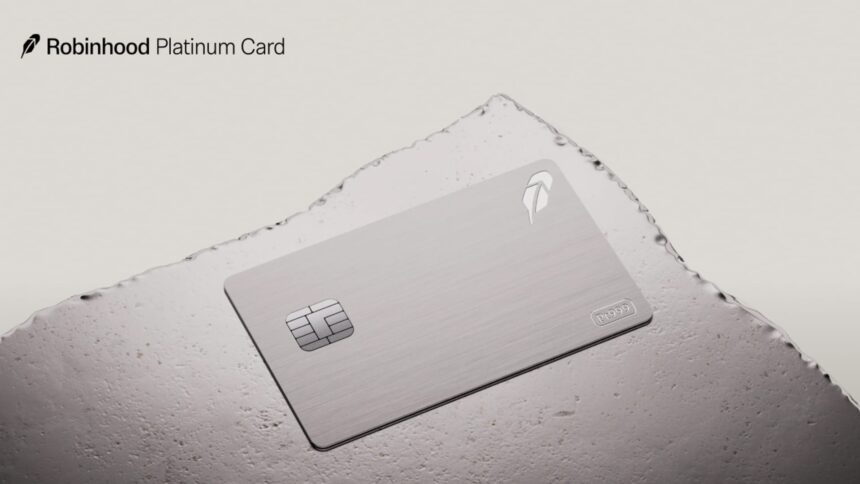
On March 4, Robinhood unveiled its latest financial offering: the Robinhood Platinum Card, which comes with an annual fee of $695. This new premium credit card aims to compete with established players in the luxury card market, notably the American Express Platinum Card®, which has a heftier annual fee of $895. This launch marks Robinhood’s second foray into the credit card sector, following the announcement of the no-annual-fee Robinhood Gold Card in March 2024.
Deepak Rao, General Manager and Vice President of Robinhood Money, emphasized that the Robinhood Platinum Card “raises the bar for what customers should expect from a premium credit card.” Robinhood claims that its Platinum Card offers over $3,000 in annual value, although some of the card’s benefits may appeal only to a specific segment of cardholders. While it includes travel benefits like Global Entry or TSA PreCheck credits and access to Priority Pass lounges, it does not provide entry to proprietary lounges, which are a hallmark of the American Express offering.
Currently, the Robinhood Platinum Card is available on an invite-only basis, although interested individuals can request access via the company’s website. Preliminary comparisons have been drawn between the Robinhood Platinum Card and the American Express Platinum Card by finance analysts.
The Robinhood Platinum Card allows cardholders to earn cash back on qualifying purchases, which can be directly deposited into a Robinhood brokerage account. The card offers a notably high cash-back rate on dining purchases and includes various statement credits aimed at enhancing its appeal. However, it has limited rewards categories and lacks a welcome bonus, which could make it less attractive compared to its competitors.
In contrast, the American Express Platinum Card offers a myriad of travel and lifestyle benefits, including access to over 1,500 airport lounges, significant annual statement credits, and elite status perks for hotels and rental cars.
When it comes to rewards structures, the Robinhood Platinum Card provides a straightforward cash back model:
– Earn 5% cash back on flights booked through the Robinhood Travel Portal
– Earn 10% cash back on hotels and rental cars booked through the same portal
– Earn 1% cash back on all other eligible purchases
Conversely, the American Express Platinum Card provides Membership Rewards® points, which can be redeemed more flexibly across travel and other spending avenues, including gift cards and statement credits.
Both cards come with extensive list of statement credits:
– The Robinhood Platinum includes rewards like Annual Dining Statement Credits and Health Wearables Statement Credits, among others.
– The American Express counterpart, meanwhile, features a range of credits that are often more broadly applicable, including significant travel and lifestyle benefits.
In terms of lounge access, the Robinhood Platinum Card limits its offerings to Priority Pass access, which includes over 1,800 airport lounges. The American Express Platinum Card provides a wider range of access, including its renowned Centurion Lounges.
Insurance coverage also varies between the two cards. The Robinhood Platinum provides basic travel insurance through Visa Infinite, while the American Express card offers comprehensive travel protections with higher coverage limits.
Annual fees are a critical factor in comparing these cards. While the Robinhood Platinum Card charges $695, the American Express Platinum Card has a higher fee of $895. However, Robinhood does not charge for adding authorized users, whereas American Express imposes an additional fee for each extra card.
The appeal of each card will likely depend on individual preferences and spending habits. The Robinhood Platinum Card may be more suited for current Robinhood users or those focused on cash back and health-related benefits, while the American Express Platinum is better for individuals seeking flexibility and a broader range of luxury travel benefits.
In summary, both the Robinhood Platinum and American Express Platinum Cards offer substantial annual value, albeit in different ways. However, for the general population, the American Express card’s extensive perks and flexibility may present a better option. As consumers weigh their choices, considerations around fee structures, rewards systems, and lifestyle needs will play pivotal roles in their decision-making processes.