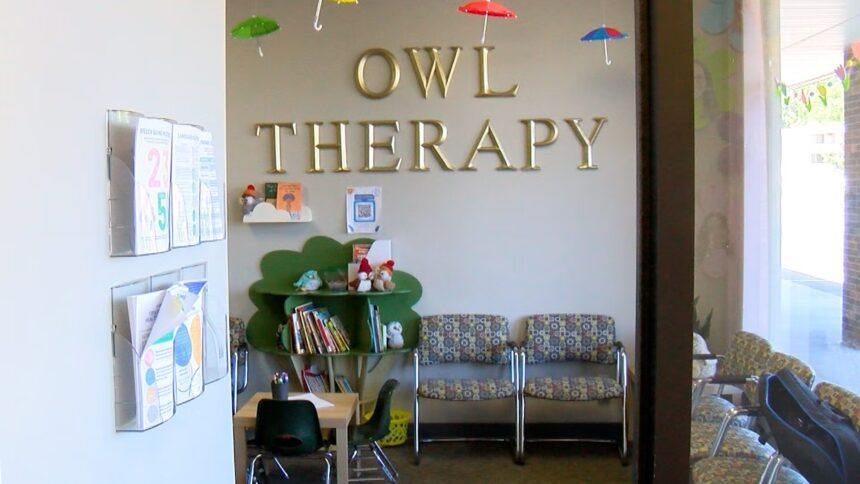
A recent resolution regarding Medicaid billing has brought relief to some providers in Rochester, yet one therapy clinic is still facing uncertainty. Last week, three local Medicaid service providers discovered that they had been disenrolled from the program, putting their ability to provide vital services at risk. Fortunately, two of these providers were able to navigate the appeals process and successfully resume billing for their services. However, OWL Therapy Services remains in limbo.
Lauren Glessing, the owner of OWL, shared the emotional toll the situation has taken on both staff and clients. “There were a lot of tears in the waiting room this week from all sides of it,” she said. OWL Therapy Services specializes in assisting children and adults in developing communication and speech skills but has been forced to halt Medicaid-funded services amid a statewide initiative aimed at tightening fraud oversight.
In line with a federal mandate, the Minnesota Department of Human Services (DHS) was tasked with reviewing nearly 5,600 high-risk Medicaid providers by the end of May. Out of those, over 3,400 were disenrolled due to incomplete paperwork or unsuccessful verifications. However, in response to widespread concerns voiced by providers and lawmakers, DHS recently announced that payment suspensions would be lifted for organizations that filed appeals by a specified Tuesday—a deadline met by the three Rochester providers.
While Family Service Rochester and EA Therapeutic Health received positive communications regarding their appeals, OWL Therapy Services did not share the same fate. Glessing recounted that the clinic first identified a problem back in March when Medicaid claims were denied. Upon contacting the state for clarification, she learned that OWL had been suspended and was advised to submit revalidation paperwork as part of the DHS’s Revalidation 2026 initiative. The clinic complied promptly, providing the necessary documentation, but has faced delays in the review process ever since.
DHS later informed OWL that it was not part of the high-risk provider review; instead, the clinic was disenrolled for allegedly not responding to multiple revalidation requests. Glessing firmly contests this claim, stating, “They said they sent them in the mail to this specific office, which has someone here all day during the week, and we’ve never received a notice in the mail at all.”
Despite her persistent efforts to communicate with the state, Glessing is still awaiting news on whether OWL will be permitted to resume services to the families who depend on them. She revealed that she has already been forced to notify approximately 20 families that they can no longer receive care from the clinic.
In a last-ditch effort to accommodate providers, the Minnesota Department of Human Services has extended the deadline for submitting claims for the current payment cycle, allowing an additional 24 hours for submissions. The new cutoff is now set for 11:59 p.m. this Friday, leaving providers hopeful but still on edge about the resolution of their individual situations.