A significant piece of legislation aimed at establishing regulatory frameworks for the cryptocurrency industry is gearing up for its initial vote in the Senate Banking Committee on May 14. This bill is seen as a critical step forward but presents challenges for the banking sector, which has voiced concerns about its implications for traditional banking operations.
The proposed legislation includes provisions that would limit the ability of stablecoins—digital currencies pegged to traditional reserves, typically the U.S. dollar—to earn interest. Banks argue that these limits maintain similarities to yield-bearing products like savings accounts, potentially jeopardizing traditional deposit models. Historically, the attraction of interest rewards has played a vital role in encouraging users to hold stablecoins, posing further questions about the balance between competing financial systems.
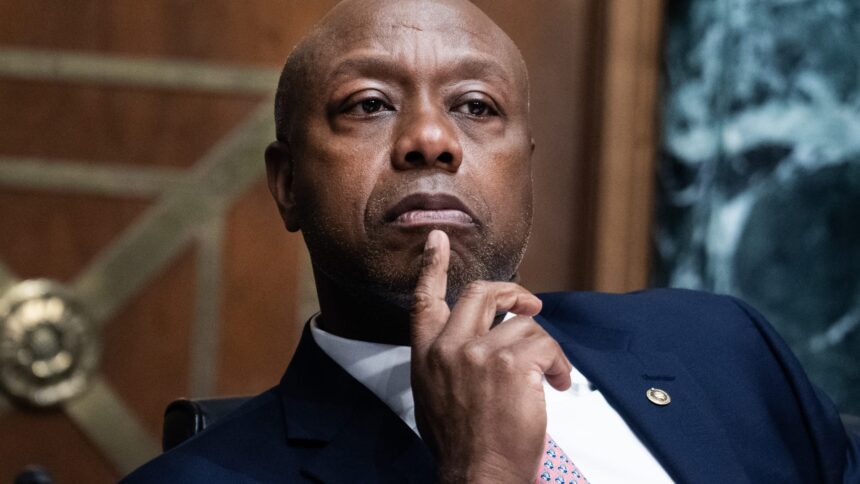
Senator Tim Scott, the committee’s chairman, emphasized the necessity of securing unanimous support from Republican members, aiming for “13 of 13” endorsements from the GOP. However, the path forward is murky as no clear indication exists regarding Democratic support for the bill. Key points of contention include provisions intended to regulate how politicians may benefit from digital assets.
Negotiations are ongoing, with some senators and industry experts optimistically suggesting that adjustments could be made to attract Democratic backing before the full Senate vote. However, time is of the essence as legislative differences remain unresolved, and there are uncertainties about whether the House might seek its own amendments.
The bill, which was initially set to advance in January, had been postponed following pushback from both the banking and crypto sectors. In a more recent turning point, support from prominent crypto companies, including Coinbase, has emerged following a compromise proposal introduced by Senators Thom Tillis and Angela Alsobrooks. This proposal aims to clarify how crypto companies could offer rewards to users of stablecoins in a way that would not infringe upon the interest-bearing offerings of banks.
Despite these developments, representatives from both commercial and community banking sectors express that the current legislative language “falls short” of sufficiently safeguarding banking deposits. Tillis acknowledged the friction through a post on social media, indicating a respectful divergence of views between the interests of the banking industry and those promoting crypto innovation.
As preparations continue for the committee’s vote, the outcome remains in flux, with the potential to reshape the landscape of both crypto regulation and banking practices in the United States.