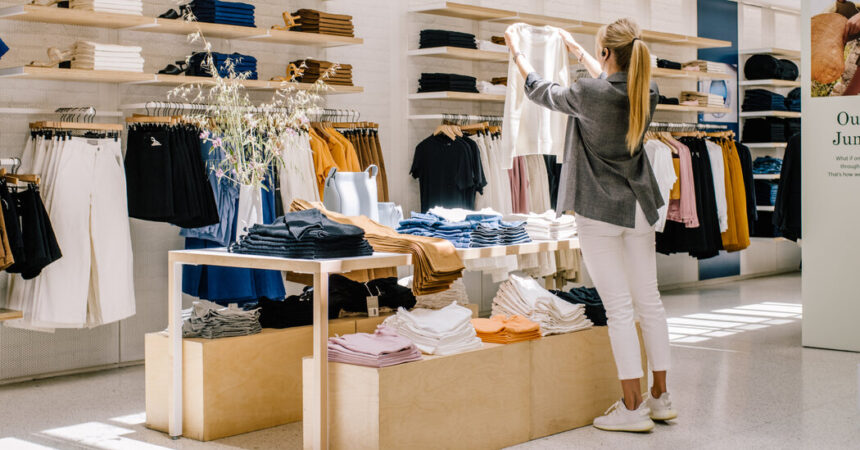
Shein, an online retailer synonymous with ultra-fast fashion, has successfully acquired Everlane, a U.S. brand known for its sustainability efforts, as confirmed by Everlane’s CEO. The deal, finalized on Friday, involved the sale of Everlane’s majority stake by the private equity firm L Catterton, which is backed by luxury giant LVMH. While specific details of the transaction remain undisclosed, Puck News reported that the sale price was around $100 million.
Everlane, once targeting a billion dollars in annual revenue with its offerings of casual staples like button-down shirts and slacks, was valued at $250 million in 2016. The company has faced challenges, including significant debt amounting to $90 million, leading to speculation about its need for acquisition. In a statement, Everlane’s CEO Alfred Chang remarked that the company would maintain its independence and sustainability commitments while leveraging the acquisition to extend its global reach.
The acquisition was met with immediate backlash from Everlane’s existing customer base, who viewed the merger with Shein—considered a hallmark of fast fashion—as contradictory to the brand’s eco-conscious values. Media outlets such as The Guardian and GQ expressed dismay, suggesting that this move symbolizes a broader retreat from the principles of slow fashion.
Retail analyst Neil Saunders noted that it was not unexpected for Everlane to seek buyers due to its financial struggles and high debt levels; however, the choice of Shein as the acquirer was noteworthy. In a memo shared with staff, Chang addressed the adverse reactions and acknowledged that the media’s portrayal of the acquisition has been painful for the company, emphasizing a need for a stable foundation to enhance their impact.
Everlane has sought to differentiate itself since its founding in 2011 by promoting transparency about its manufacturing processes, attempting to compete with established companies like Gap. The brand attracted a loyal following, especially among millennial consumers, by providing insights into its production practices and ensuring ethical sourcing of materials.
Despite its initial promise and the growing interest in sustainable apparel, Everlane has grappled with profitability and market challenges. The COVID-19 pandemic exacerbated its issues, leading to layoffs and revealing cracks in its ethical branding. Earlier this year, the company took further steps to cut costs amid ongoing financial instability.
Brands touting sustainability have faced difficulties recently, with others like Mara Hoffman and Allbirds scaling back significantly or altering their business models altogether. The market dynamics have also shifted, as consumers often prioritize factors like style and price over sustainability when making purchase decisions.
In contrast, Shein, which started in China in 2012 and has gained popularity partly due to its extensive online offerings, appears to be pursuing expansionary strategies that include this acquisition. As it looks to diversify and soften its criticisms related to ethical concerns, Shein’s purchase of Everlane could provide access to a new customer base interested in sustainable options.
However, the association with Shein may tarnish Everlane’s reputation among its core consumers who value sustainability. According to Saunders, the impact of this acquisition on Everlane’s perceived integrity could be detrimental in the short term, highlighting the challenge of reconciling Shein’s fast-fashion image with Everlane’s past commitments to responsible practices.