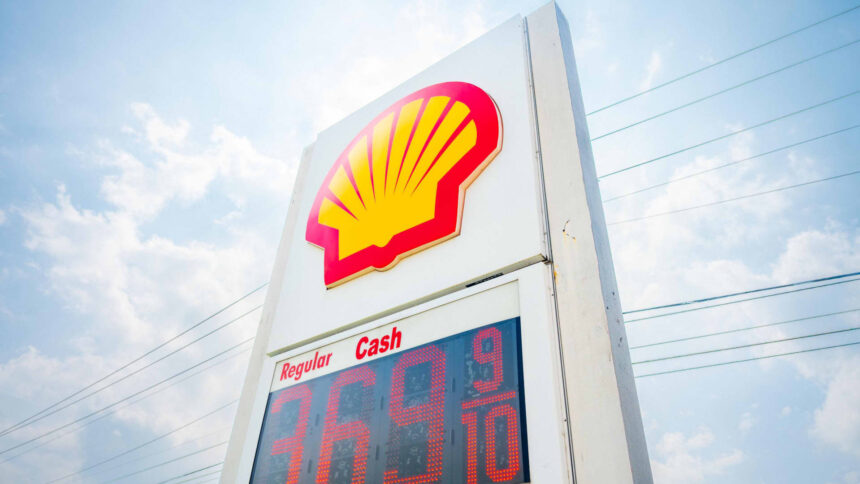
British energy major Shell has reported significantly stronger-than-expected profits for the first quarter of the year, driven by skyrocketing energy prices amid ongoing conflicts in the Middle East. The oil giant announced adjusted earnings of $6.92 billion for the first three months of 2026, surpassing analysts’ expectations of $6.1 billion and exceeding its own forecast of $6.36 billion. This marks a notable increase from the previous year’s earnings of $5.58 billion and a sharp rise from $3.26 billion in the last quarter of 2025.
CEO Wael Sawan emphasized the importance of operational performance in achieving these results, stating that they were accomplished during a period of “unprecedented disruption” in global energy markets. Despite the strong financial performance, Shell has reduced its quarterly buyback program to $3 billion, down from $3.5 billion, while simultaneously increasing its dividend by 5% to $0.3906 per share.
This positive earnings report comes as major energy companies benefit from recent spikes in fossil fuel prices, which have surged approximately 40% since the onset of the U.S. and Israeli-led military operations against Iran at the end of February. The conflict has particularly affected the strategically vital Strait of Hormuz, leading the International Energy Agency to describe it as posing the largest energy security threat in history. Nonetheless, oil prices saw a decline in the previous session amid rising hopes for a resolution to the conflict.
Shell’s net debt rose to $52.6 billion by the end of the first quarter, an increase from $45.7 billion at the end of the previous year. Maurizio Carulli, an equity research analyst at Quilter Cheviot Investment Management, commented that while the earnings were better than expected, the rise in net debt is a concern, predominantly due to the impact of higher oil prices on the value of inventories.
In a significant strategic move, Shell also announced last month that it would acquire Canadian energy firm ARC Resources in a $16.4 billion deal that includes net debt and leases. Sawan described ARC Resources as a “high-quality, low-cost and top quartile low carbon intensity producer,” which he believes will enhance Shell’s resource base for years to come.
Despite the positive earnings report, Shell’s shares dipped 2.9% on Thursday morning. However, the stock has gained around 15% year-to-date, although it has not performed as well as its competitors, including BP, TotalEnergies, Exxon Mobil, and Chevron.