In recent weeks, there has been a notable surge in interest surrounding commodities, particularly in precious metals such as gold, copper, palladium, and silver. This shift comes as a surprise to many, including individuals who have historically been skeptical about commodities. It is essential to focus on the current market movements rather than preconceived notions.
One notable perspective shared by seasoned market observers emphasizes the importance of recognizing patterns in trading. The work of the late Benoit Mandelbrot has significantly influenced this view, highlighting that time series can reveal consistent fractal patterns. These self-similar structures often emerge from recurring processes, providing valuable insights into market trends.
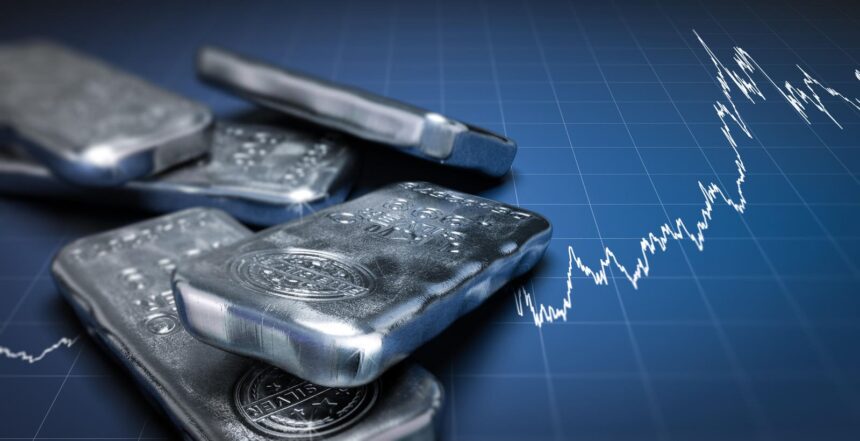
Illustrative data, such as silver price charts, suggest potential future trajectories for the metal. While such predictions are not set in stone, they serve as useful roadmaps for investors. The sentiment within the market indicates that precious metals could remain in a bullish trend for the long term. As the Fear of Missing Out (FOMO) phenomenon takes hold, silver, in particular, may see exponential growth.
Retail investors have become a formidable force in the marketplace, but engaging this demographic often requires significant triggers. Silver has begun to capture the attention of a growing number of investors, particularly as its price approaches critical thresholds. Analysts suggest that hitting the $100 mark per ounce would indeed elevate silver’s market cap to around $5 trillion, comparable to the total value of cryptocurrencies or major tech conglomerates.
Annual production rates for silver stand at approximately 25,000 tonnes, significantly outpacing gold extraction, which is roughly eight times less. Historically, the price ratio between silver and gold has fluctuated, and current valuations suggest that silver could be more equitably priced between 40 to 50 times the gold price, as opposed to the current rate of 90 to 1.
Looking ahead, many analysts predict a weakening U.S. dollar, which typically correlates to rising commodity prices. Regardless of market fundamentals, a decline in the dollar’s value generally supports the inflation of commodity prices.
For the foreseeable future, as gold sustains its bullish momentum, silver is likely to benefit from the overall trend. This aligns with the growing enthusiasm from retail investors, positioning silver to experience further gains until gold indicates signs of fatigue.
As a final note, it is important to mention that the author holds investments in gold, silver, and other precious metals, emphasizing a personal stake in the unfolding market dynamics.