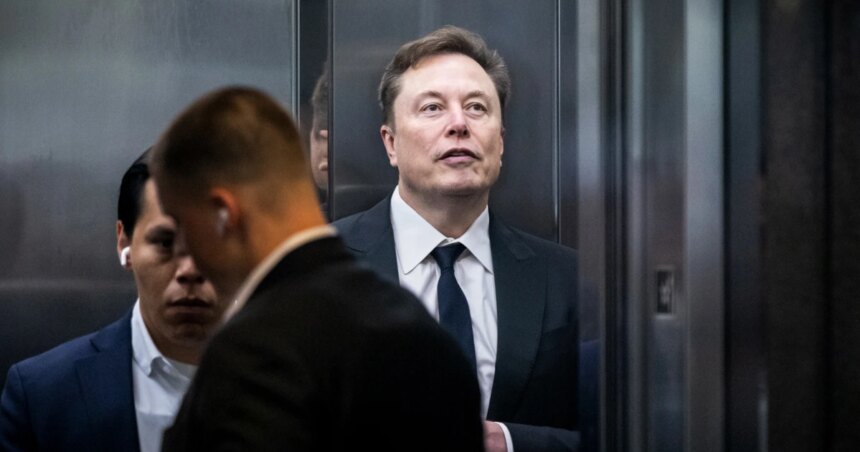
In a remarkable sequence of events at a federal courthouse in Oakland, California, the convergence of tech wealth and corporate drama unfolded, captured in a lawsuit involving Elon Musk, the world’s wealthiest tech billionaire. This high-profile trial recently commenced its jury deliberations following three weeks of testimony, shedding light on the intersection of immense wealth with the legal system in the United States.
The case centers around OpenAI, the company behind the popular AI tool ChatGPT. Musk, a co-founder and early supporter, alleges that OpenAI deviated from its nonprofit roots by creating a for-profit arm and accepting investments from partners like Microsoft. The defense, led by OpenAI and Microsoft, contends that the transformation was both necessary and agreed upon by Musk, claiming his motivations are tied to competition with his own startup, xAI.
With the courtroom packed with high-priced attorneys and security personnel, the proceedings often reflected the extravagant lives of those involved. Observers noted that powerful figures were often granted expedited access through public spaces, and some opted for specialized seating arrangements for comfort during lengthy testimonies. Notably, the courtroom hours featured discussions around the vast fortunes held by witnesses, adding an almost surreal dimension to the proceedings. For instance, Musk’s legal team interrogated OpenAI’s president about his stake, which was reported to range between $20 billion and $30 billion.
The trial also saw testimony from other prominent tech figures, each with their own impressive wealth. Notable names included Sam Altman, Ilya Sutskever, Bret Taylor, and Microsoft CEO Satya Nadella, with their collective net worth reflecting the substantial stakes involved. Meanwhile, outside the courthouse, demonstrations from those critical of the so-called ‘billionaire class’ became a daily occurrence, with various protest props drawing attention to Musk’s controversial past and his significant role in the tech landscape.
The courtroom dynamics were further complicated by the presence of Musk’s supporters, who occasionally disrupted proceedings, showcasing the polarizing effect he has on public sentiment. Despite these distractions, U.S. District Judge Yvonne Gonzalez Rogers maintained order and integrity throughout the trial, reinforcing the principle that wealth should not grant any party preferential treatment in the eyes of the law. She emphasized the importance of a jury made up of regular individuals assessing the credibility of testimony, contrasting with the elite attendees of the trial.
The overarching narrative highlights a broader societal discussion regarding wealth, power, and accountability in the tech industry. With the jury now deliberating liability, the outcome may have significant implications for OpenAI and how its operations align with its original charitable aims. Musk seeks a permanent injunction to enforce the initial commitments of the organization, alongside drastic changes in its leadership.
As deliberations commence, the tension between innovation, corporate responsibility, and ethical governance continues to resonate, prompting observers to reflect on the future of the technology sector and its impact on society at large.