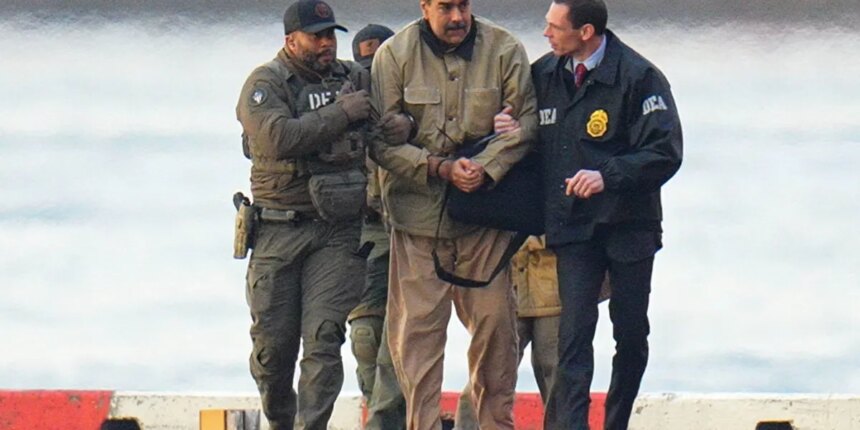
Following the dramatic capture of Nicolás Maduro over the weekend, discussions have emerged concerning Venezuela’s alleged cryptocurrency reserves. A report surfaced claiming that the South American nation might hold as much as $60 billion in Bitcoin, prompting debates about potential U.S. interests in seizing these digital assets alongside Venezuela’s oil reserves. However, skepticism about the reported Bitcoin stash is prevalent among crypto forensic experts.
The initial buzz regarding Venezuela’s Bitcoin holdings gained traction on Saturday, coinciding with Maduro’s ousting. Project Brazen, a digital publication, reported that the Maduro regime could control this substantial cryptocurrency amount, but the report lacked concrete evidence. Notably, it failed to provide specific Bitcoin addresses, making the claims difficult to verify.
Aurelie Barthere, a principal research analyst at Nansen, expressed doubts about the report’s validity. She highlighted the absence of any supporting details, which undermines the credibility of the figures presented. This skepticism is echoed by others in the financial sector; Mauricio di Bartolomeo, Venezuelan co-founder of Ledn, remarked on the pervasive corruption within the country, suggesting that it casts further doubt on the reported figures.
Estimations of Venezuela’s cryptocurrency wealth vary significantly. Bitcointreasuries.net offers a more conservative figure, suggesting the nation holds Bitcoin valued at around $22 million. This would position Venezuela as a significant player in the crypto landscape, ranking among the top government entities holding Bitcoin—just behind North Korea.
Venezuela has a complicated history with cryptocurrency. Maduro introduced the Petro, a state-backed token, in 2018, but this initiative was effectively shut down six years later. Amid ongoing hyperinflation, many Venezuelan citizens have turned to stablecoins as a means to stabilize their finances.
The U.S. has expressed an intent to “run” Venezuela, leading to speculation about potential claims to the country’s cryptocurrency reserves. Andrew Fierman, the head of national security intelligence at Chainalysis, outlined how the U.S. might secure such assets. He noted that asset freezes could be executed through centralized services obtaining court orders, allowing exchanges or issuers to blacklist specific crypto addresses. Alternatively, physical seizure could occur through obtaining control of wallets and keys via compelled cooperation.
As it stands, without a more stable political environment in Venezuela, an accurate accounting of the nation’s Bitcoin holdings remains elusive. The uncertain geopolitical landscape continues to fuel speculation and debates about the implications of cryptocurrency on international relations and economic strategies.