On a crisp October morning, 29-year-old Park Jihyun laced up her running shoes and embarked on a mission that diverges from the typical nightlife narrative in Seoul. Instead of sporting a glamorous outfit or relying on a taxi, she chose practicality—donning running tights and jogging a brisk 5 miles to the venue for a unique kind of rave experience.
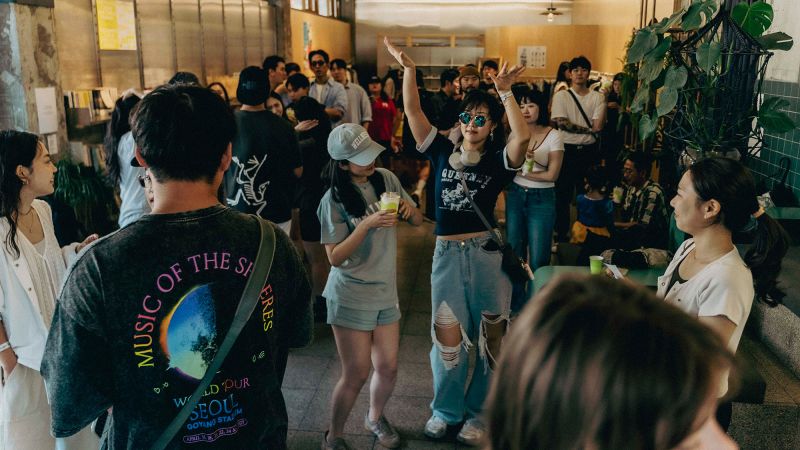
Park is part of the Seoul Morning Coffee Club (SMCC), which has gained popularity since its launch in May. As dawn breaks, crowds gather for the Coffee Rave, an enchanting event that attracts hundreds of revelers. Participants pay a fee of 20,000 won (approximately $14) to indulge in a caffeine-fueled dance session that begins at 7 a.m. Attendees often opt for iced Americanos or matcha, fueling their energy in the absence of alcohol. By 8 a.m., the atmosphere pulsates with the hypnotic bass of the DJ, creating a vibrant scene where individuals unite on the dance floor, all in broad daylight.
“Everyone looks excited and happy, even without alcohol,” remarked founder Park Jae-hyun, who aims for these events to serve as refreshing starts to the day. The phenomenon of sober raves isn’t entirely new, with similar initiatives like Daybreaker and Morning Gloryville having emerged in major cities over the last decade. However, recent trends show a shift towards accommodating the desires of a younger generation, particularly among Gen Z-ers and younger Millennials, who are increasingly aware of their mental well-being and are gravitating toward healthier lifestyles.
This evolution is not coincidental. The organizers of such events, including Duvivier in France, have noted that traditional social scenes, characterized by late-night drinking, are often unsustainable and don’t align with many individuals’ lifestyles. Duvivier, drawing from personal experiences of missing French bakeries while living in cities like Miami and Los Angeles, launched the concept of bakery raves in Paris, blending his passion for music with beloved local culinary traditions. His events quickly garnered attention, showcasing the power of unique settings intermingled with social gatherings.
As discussions about mental health gain traction, especially in South Korea—where the suicide rate remains alarmingly high—initiatives like the SMCC’s coffee raves aim to foster community and promote self-acceptance. The culture surrounding these gatherings is one of inclusivity and safety, appealing to morning enthusiasts who seek memorable experiences without the intoxicating remnants of nightlife.
Local participants, including British content creator Freya Hawksley, affirm that these events invigorate them in ways traditional parties do not. Unlike the gradual decline of energy seen in typical night raves, mornings allow attendees to leave feeling energized and motivated for the day ahead. Families can be seen dancing together, and the atmosphere fosters a sense of safety and reassurance, particularly for women who often feel vulnerable in nightlife settings.
Simultaneously, the coffee rave movement is finding its footing in cities beyond Seoul, including London and Toronto, reflecting a shared disillusionment with traditional nightlife. DJs in these locations are gravitating toward daytime events that resonate with the evolving expectations of audiences tired of the conventional club scene. Reports indicate that a significant portion of the younger population has begun to explore alternatives to the once-popular nightlife, seeking safe, welcoming spaces that prioritize health and genuine connection.
This shift in how people wish to socialize is not merely a trend but a response to changing times and personal wellness needs. With rising mental health concerns and a yearning for deeper connections, these sober morning raves represent a refreshing departure from the past—a celebration of life unencumbered by the pressures of traditional nightlife. In embracing this unconventional approach, communities worldwide are discovering new ways to connect, heal, and thrive together.