Consumer prices experienced a significant increase in May, leading to the highest annual inflation rate in three years, as reported by government data. This surge signals a potential 4.7% cost-of-living adjustment (COLA) for Social Security benefits in 2027, according to a recent estimate by independent Social Security and Medicare policy analyst Mary Johnson. This figure is an upward revision from her previous forecast of 4.2% made last month. Johnson highlighted that ongoing data collection, particularly regarding gasoline prices, could push the COLA even higher.
The Social Security Administration is expected to announce the official COLA for the following year in October, with the adjustment based on economic data from the third quarter.
In contrast, the Senior Citizens League, a nonpartisan group focused on seniors, has projected a lower COLA of 3.8% for 2027, a slight dip from their May estimate of 3.9%. The organization did not provide a specific rationale for this decrease, and representatives were unavailable for comments at the time of reporting.
In 2026, approximately 75 million beneficiaries of Social Security and Supplemental Security Income received a 2.8% increase in monthly payments due to the cost-of-living adjustment. However, despite this boost—averaging around $2,000 monthly with an increase of about $56—beneficiaries find they require an additional $94 per month to keep pace with inflation, as outlined by Johnson. The annual COLA has averaged about 3.1% over the last decade, according to the Social Security Administration.
The COLA calculation relies on a specific subset of the consumer price index known as the Consumer Price Index for Urban Wage Earners and Clerical Workers (CPI-W). Recent reports from the Bureau of Labor Statistics indicated a broad CPI inflation increase of 4.2% over the past year, while the CPI-W climbed by 4.4%.
Categories significantly driving the CPI-W increase include fuel oil, which has surged by 64.1%; gasoline, which rose by 40.7%; and airfare, up by 25%. Many older Americans are still grappling with higher costs stemming from the Covid-19 pandemic. Previous years saw substantial Social Security COLAs—5.9% in 2022 and 8.7% in 2023—as inflation reached new heights. Although inflation rates have moderated recently, consumer prices have largely remained elevated, causing concern for many seniors.
A recent survey by AARP revealed that 69% of adults aged 50 and over worry that prices are rising faster than their income, and 61% believe that the average monthly Social Security payment of $2,000 is insufficient for their needs.
The applicability of the CPI-W as an accurate reflection of older Americans’ expenses remains a topic of debate among experts and lawmakers. Individual inflation rates can vary greatly based on personal circumstances, spending habits, and geographic location.
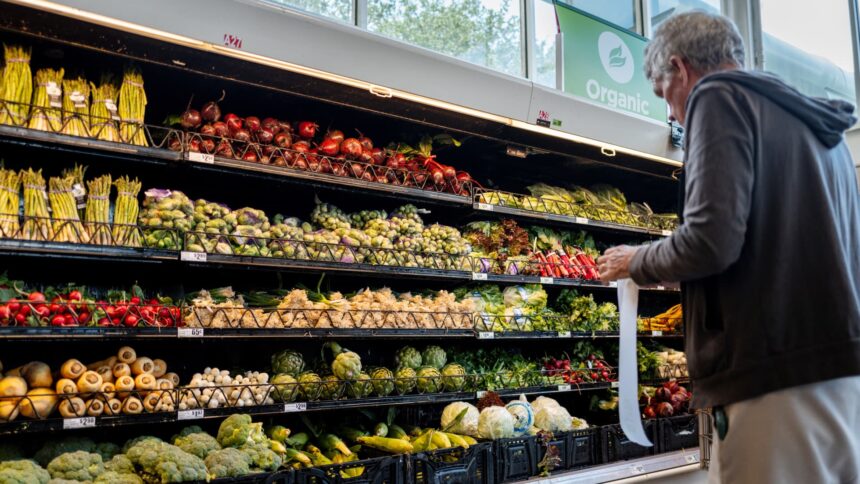
In response to soaring food prices, many seniors are reportedly changing their eating habits—opting for less expensive food options and potentially reducing their meal frequency to manage grocery expenses more effectively. Johnson noted that items like beef and coffee have experienced some of the highest inflation rates in food categories, although beef prices can vary significantly by location.