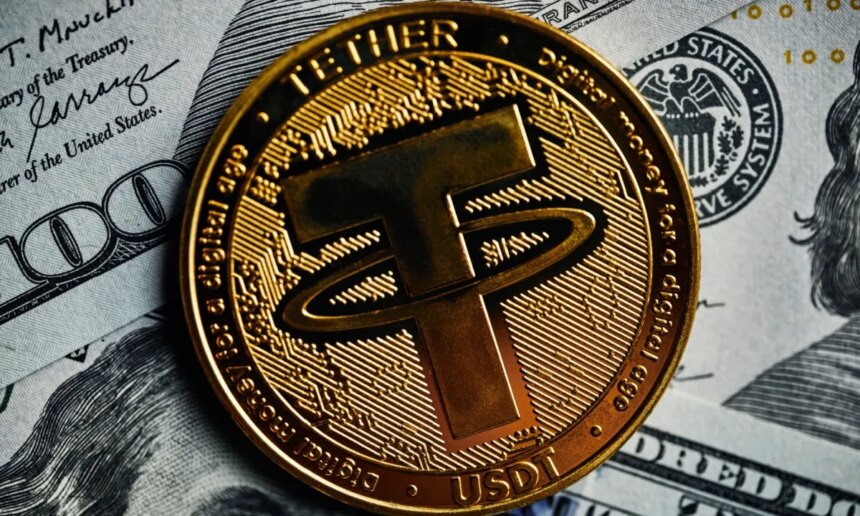
A recent assessment by S&P Global Ratings has downgraded Tether’s (USDT) ability to maintain its peg to the U.S. dollar, shifting its rating from “constrained” to “weak.” This change reflects growing concerns about Tether’s exposure to high-risk assets within its reserves over the past year, alongside ongoing transparency issues. In its report, S&P highlighted that the composition of Tether’s reserves includes a mix of bitcoin, gold, secured loans, corporate bonds, and other investments, many of which are accompanied by limited disclosures and inherent market risks.
According to the report, bitcoin currently makes up approximately 5.6% of the total USDT in circulation, an increase from the previously noted 3.9% overcollateralization margin. This suggests that the reserves may no longer be sufficient to withstand a decline in the value of bitcoin or other volatile assets. If such a drop occurs, it could lead to a scenario where USDT becomes undercollateralized, further jeopardizing its stability.
S&P’s analysis also indicated that a significant proportion of Tether’s reserves is invested in short-term U.S. Treasury bills and other cash equivalents. However, the report underscores concerns regarding Tether’s lack of disclosure relating to the creditworthiness of its custodians, counterparties, and banking arrangements. The report calls attention to several weaknesses, including insufficient transparency in reserve management and an unclear risk appetite, as well as the absence of a strong regulatory foundation.
The assessment concluded that Tether’s rating could potentially improve if the company reduces its reliance on high-risk assets.
In the broader context of stablecoins, the implementation of the GENIUS Act has also been delayed since it was signed into law in July. This legislation, aimed at establishing clearer guidelines for stablecoin issuers, has left many players in the cryptocurrency sector in a state of uncertainty. Key provisions of the law are on hold pending the issuance of regulations from the U.S. Department of the Treasury, which are necessary to clarify reserve composition, mandatory disclosures, affiliate relationships, and the precise definition of “yield.”
Consequently, the current regulatory void has led to a flurry of activity among arrangers, banks, fintech lenders, and cryptocurrency entities as they attempt to navigate the limitations of the existing legal framework before definitive regulations are instituted.