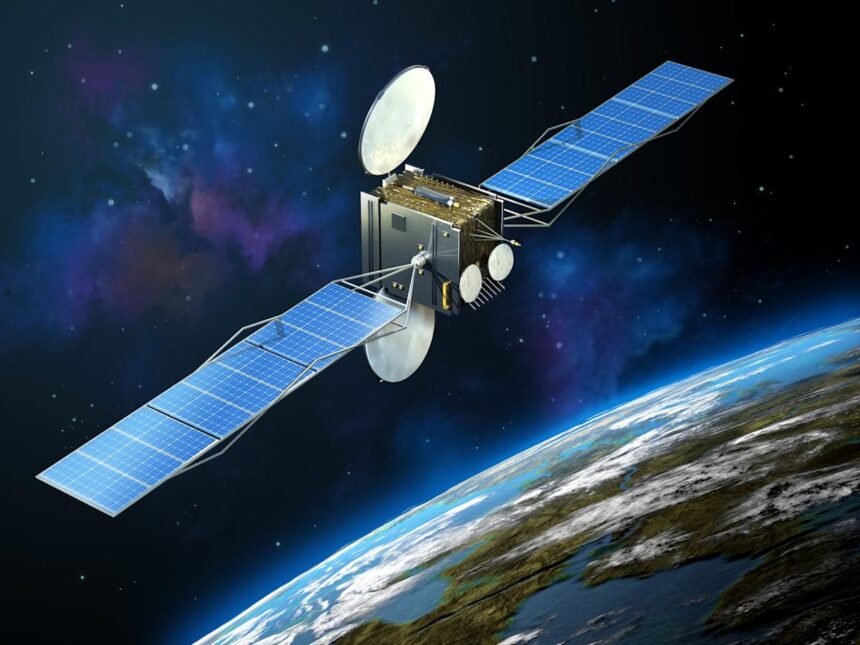
Anticipation surrounding SpaceX’s impending initial public offering (IPO) is reaching unprecedented levels, with projections suggesting a staggering $1.75 trillion valuation—the highest ever for an IPO. The aerospace company is eyeing a summer launch for the offering, although the exact valuation will ultimately hinge on market conditions. This potential IPO has piqued the interest of many investors eager to gain a foothold in the space exploration sector.
For the average investor, direct access to SpaceX shares prior to the IPO is limited. Retail investors, unless classified as institutional or “accredited,” will be unable to buy shares on the stock market until the offering goes live. However, several alternative routes exist for those looking to gain exposure to the company beforehand.
One of the most viable options for retail investors is to purchase shares in companies that currently hold stakes in SpaceX. Notably, Alphabet, the parent company of Google, is a significant player, reportedly owning 6.11% of SpaceX. This stake stems from a substantial investment made in January 2015—$900 million part of a larger $1 billion partnership alongside Fidelity—when SpaceX was valued at approximately $12 billion. Following a recent merger with xAI in February, Alphabet’s stake has experienced dilution but retains considerable value. Should SpaceX realize its anticipated valuation, Alphabet’s initial investment could soar to around $105 billion.
Another way to get involved with SpaceX is through partnerships with other companies. EchoStar has established a close relationship with SpaceX, planning to sell spectrum licenses integral to SpaceX’s Starlink service. As part of this deal, which is pending regulatory approval, EchoStar expects to acquire millions of SpaceX shares. The market is optimistic about the deal’s approval, reflected in EchoStar’s stock, which has surged by 420% over the past year.
Investors interested in mutual funds that include SpaceX can explore several options. The Baron Partners Fund stands out by allocating 33% of its assets to SpaceX as of the end of March. Tesla also represents a significant portion of the fund, which requires a minimum investment of either $2,000 or $500 with automatic contributions.
Another option, the Ark Venture Fund, currently invests 17% of its portfolio in SpaceX and is categorized as an actively managed closed-end interval fund focused on disruptive innovation. It offers accessibility with a $500 minimum initial investment, though it has specific windows for share repurchases each quarter.
Meanwhile, the Destiny Tech100 fund includes SpaceX as a core holding, making up 16% of its assets as it seeks to invest in top venture-backed tech companies.
Investors contemplating whether to wait for SpaceX’s IPO should weigh their options carefully. While investing directly in SpaceX might seem attractive at the IPO, acquiring shares of Alphabet may provide a more stable investment, given its strong standing as a leading tech company alongside exposure to SpaceX.
Before making any investment decisions, potential investors should thoroughly research the specifics of the funds, assess associated fees, and consider current market conditions. While direct investment in SpaceX could yield high returns, the volatility commonly observed in stock following an IPO may advise caution for investors. The decision may ultimately depend on individual investment strategies and risk tolerance.