Starbucks Korea is experiencing a substantial decline in sales following the fallout from a controversial marketing campaign that drew parallels to the tragic events of a military crackdown on pro-democracy protesters in 1980. The campaign, which coincided with the anniversary of the May 18 Gwangju Uprising, has ignited widespread public outrage. The local operator of Starbucks, Shinsegae Group, has acknowledged the severity of the situation and is facing intense backlash.
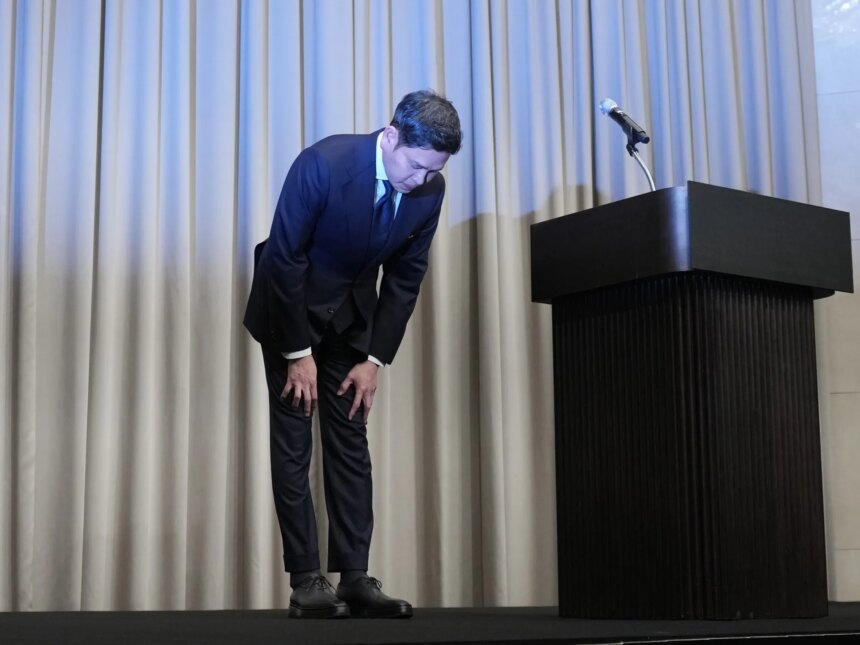
In a recent news conference, Shinsegae Group Chairman Chung Yong-jin made a heartfelt apology, urging the public not to direct their frustration towards Starbucks employees, emphasizing that the issue lies with management. “I take it very seriously, the fact that many people felt deep pain and anger because of Starbucks Korea’s inappropriate marketing campaign,” Chung stated, affirming his commitment to taking full responsibility for the incident.
Chung’s initial apology came on May 19, in which he recognized the emotional turmoil caused to the victims and their families associated with the May 18 Democratization Movement, as well as to the broader public. As part of the company’s response, the head of Starbucks Korea was dismissed to show accountability for the misstep.
While noting that sales were not their primary concern, a Shinsegae representative mentioned that they have observed a “very significant drop” in revenue since the backlash began. The gravity of the situation was further underscored by Jeon Sangjin, a senior executive at Shinsegae, who indicated that the internal inquiry had yet to substantiate claims that marketing employees purposely aimed to mock the pro-democracy movement, a sentiment they have denied.
Jeon revealed that certain employees refused management’s request to surrender their smartphones for the ongoing investigation, heightening concerns about transparency. Additionally, he stated the company would act upon the findings from a police inquiry, pledging to terminate any employee found to have intended to insult the protesters.
In response to the controversy, public calls for boycotts have surged, a sentiment echoed by government officials such as Interior and Safety Minister Yoon Ho-jung, who announced that Starbucks products would no longer be featured at government events, criticizing the chain for its “anti-historical behaviour.” The country’s leader, President Lee Jae Myung, condemned the marketing initiative as an “inhumane and disgraceful” act by “cheap profiteers” who undermine the values of the South Korean community and basic human rights.
The Gwangju Uprising remains a pivotal moment in South Korea’s history, with hundreds estimated to have lost their lives or gone missing during the military government’s brutal suppression of the protests. The specifics surrounding the orders given to open fire during the uprising remain shrouded in uncertainty.