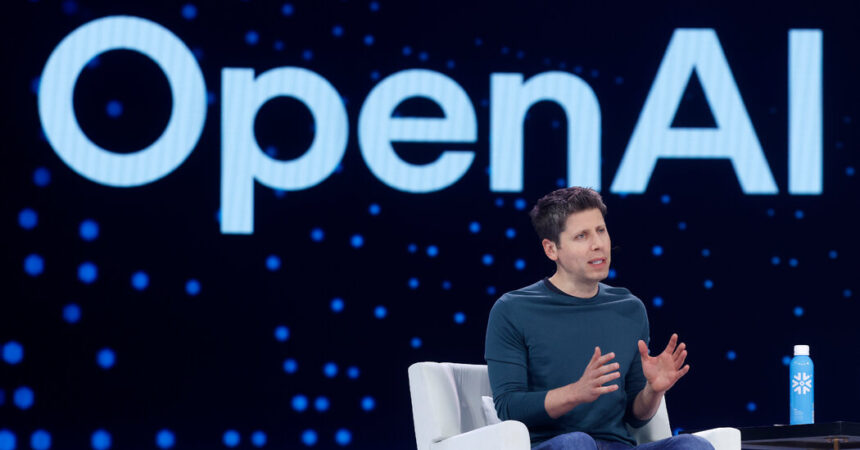
A coalition of states is intensifying its scrutiny of the artificial intelligence sector, launching a comprehensive investigation into the practices of the start-up OpenAI. The announcement from OpenAI on Saturday reveals that state attorneys general have issued subpoenas to the company, demanding internal documents related to its operational practices. These inquiries focus on key areas including user data management, safety measures for minors, and advertising activities.
States such as New York and Colorado are reportedly involved in this inquiry, with insiders indicating that multiple jurisdictions are participating in the investigation. In response, OpenAI stated, “We take the concerns raised by state attorneys general seriously and intend to engage constructively with their offices.” The company highlighted that the latest version of its AI model, ChatGPT, has been enhanced with safeguards, including parental controls designed to protect children from potential misuse.
The backdrop to this investigation is a growing concern over the effects of AI technology on children, as well as the prevalence of A.I.-generated scams. As incidents of harm related to AI technology among youth have risen, the pressure on developers to ensure the safety and security of their products has increased significantly. In parallel, there are rising worries about AI’s capability to displace human jobs and the escalating energy costs associated with the data centers crucial for its operation.
Adding to the regulatory landscape, the Trump administration recently prohibited the AI start-up Anthropic from allowing foreign nationals access to its new A.I. systems due to national security issues. Furthermore, President Trump, who had previously adopted a more lenient regulatory stance, signed an executive order aimed at encouraging tech companies to submit new AI models for government oversight prior to their public release.
Several states are proactively addressing these challenges with legislative measures, having introduced numerous bills aimed at regulating AI this year. Currently, over 100 state-level laws exist that restrict chatbots for younger audiences, mandate security risk assessments for AI systems, and safeguard copyrighted content from unauthorized use by A.I.
Additionally, a lawsuit has been filed by The New York Times against OpenAI and its partner, Microsoft, accusing them of copyright infringement related to news content used in AI systems. Both companies have denied the allegations.
In California, Governor Gavin Newsom issued an executive order last month to rethink labor policies, seeking to mitigate potential job losses attributed to AI advancements. The order mandates collaboration between state agencies, scholars, labor organizations, and the A.I. sector to explore strategies that incentivize businesses to retain employees instead of turning to automation.
State investigations can often escalate into lengthy and costly litigation. For instance, New Mexico’s attorney general successfully sued Meta over child safety violations related to social media, resulting in a jury awarding damages to the state. Florida has made headlines as the first state to file a lawsuit against OpenAI this month, claiming that the ChatGPT chatbot poses risks to children and accusing the company of failing to clearly communicate the dangers linked to its product. Florida’s attorney general has also initiated a criminal investigation into OpenAI, exploring communications between its chatbot and a suspect involved in a tragic shooting incident at Florida State University last year.
California’s attorney general has independently launched an investigation into x.AI, a SpaceX unit, due to concerns over the creation of non-consensual sexualized A.I.-manipulated images involving real women and minors. Furthermore, Kentucky has sued Character.AI, alleging violations of consumer protection laws for exposing children to hazardous technology.