New York — Brent crude has surpassed $100 per barrel, while the crucial Strait of Hormuz remains closed, yet the stock market appears largely unfazed by this geopolitical tumult.
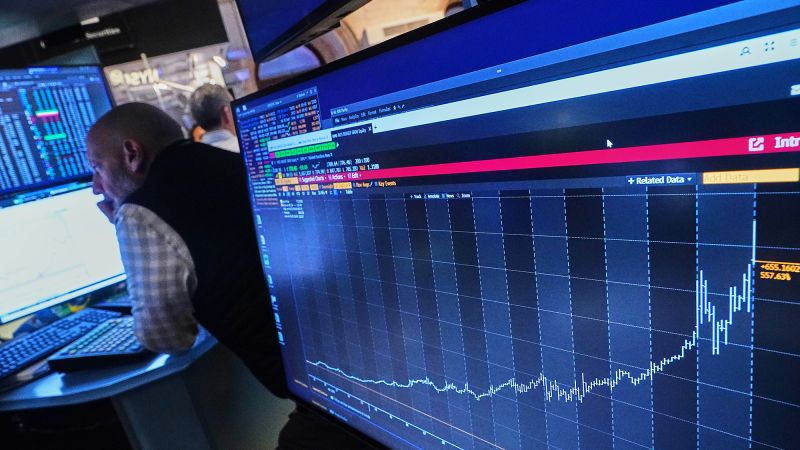
In a striking turn of events, the S&P 500 and Nasdaq Composite reached record highs midweek, maintaining their momentum despite escalating oil prices. This marks a notable departure from the previous month when spikes in oil prices prompted declines in stock valuations.
Since hitting recent lows on March 30, the S&P has surged by over 12%, while the Nasdaq has climbed approximately 18%. Notably, the S&P is up nearly 4% since the onset of the ongoing war, with the Nasdaq rising almost 9% during the same period.
Market analysts attribute this resilience to Wall Street’s forward-looking perspective. Investors seem to be optimistic about the upcoming US corporate earnings season, believing that the current oil shock will not significantly disrupt economic growth.
In recent days, technology stocks have regained favor after enduring a downturn earlier in the year, primarily due to jitters over inflated valuations and fears about artificial intelligence’s potential impacts on the software industry. This rebound in tech shares is fueling the overall market rally.
Rick Gardner, chief investment officer at RGA Investments, commented that a combination of encouraging news regarding Iran, investor fatigue due to the volatility of March, and a strong start to the earnings season has bolstered stock valuations to new heights.
Despite the tumult caused by the war, earnings results and forecasts for US companies remain robust, which are essential drivers of stock prices. As earnings season unfolds, nearly 20% of S&P 500 companies have already released their quarterly performance results, with 86% outperforming expectations for earnings per share, as reported by FactSet.
The technology sector, which has been a laggard recently, is seeing reinvigorated interest and is currently the top-performing segment in the S&P 500 this month. Analysts from the research firm Strategas estimate that the tech sector will account for 60% of earnings growth in the current year.
The recent decline in tech stock prices has made them more attractive to investors seeking opportunities, even amidst concerns that a prolonged conflict with Iran could disrupt supply chains or fuel inflation.
Venu Krishna, head of US equity strategy at Barclays, expressed optimism regarding technology and AI, noting positive signs for the broader market driven by increased spending in these sectors. He indicated that the strong momentum for earnings growth in the US remains intact, stating, “Oil moving around at these levels at this point is not derailing that momentum.” He has raised his year-end target for the S&P 500 to 7,650, suggesting a potential 7% increase from previous levels.
Louis Navellier, founder and chief investment officer at Navellier & Associates, echoed this sentiment, observing that investors appear to be unfazed by crude oil market disruptions, citing strong earnings estimates and stable economic indicators like retail spending and labor markets.
However, the market’s rapid incline raises concerns about potential complacency regarding risks associated with the ongoing military conflict. Some, such as Kristina Hooper, chief market strategist at Man Group, express skepticism toward the market’s highs, suggesting it has not fully accounted for the complexities of Middle Eastern conflicts and other prevailing issues.
The trend of “buying the dip” observed over the past year, where investors seize opportunities during market downturns, is attributed in part to market psychology influenced by significant presidential announcements that impact stock movements.
Matt Maley, chief market strategist at Miller Tabak + Co, remarked on the prevailing positive sentiment, observing that the market is acting as though global economic stability will remain intact despite ongoing disruptions in oil supply, leading him to conclude that there exists a notable degree of complacency among investors.