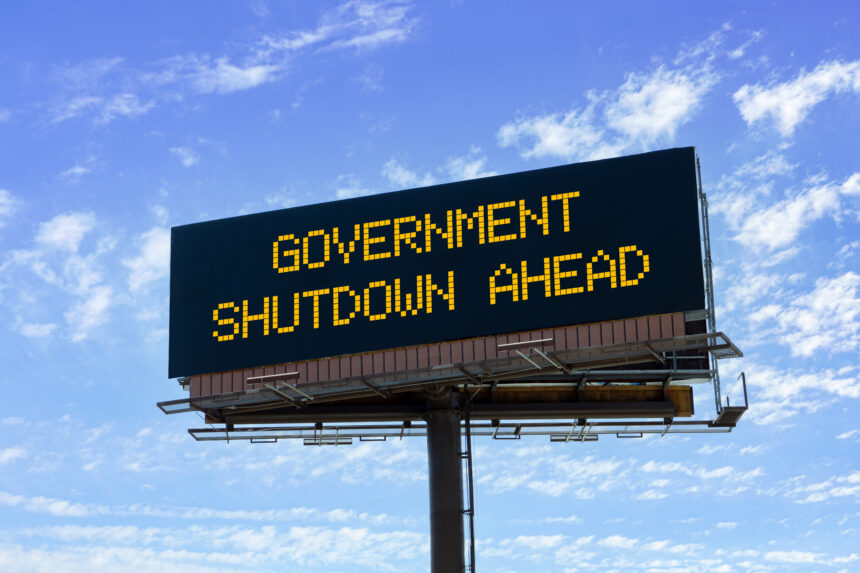
As the current government shutdown extends into its fourth week, it has become the second-longest in U.S. history. The repercussions are being felt deeply, with approximately 900,000 federal workers furloughed, many of whom are grappling with delayed paychecks and disrupted government services.
Despite expectations that the stock market would exhibit heightened volatility in response to the prolonged shutdown, indicators such as the S&P 500 index have remained surprisingly stable. Since the shutdown commenced on October 1, the index has experienced fluctuations, dropping a few percentage points at times, yet ultimately closing relatively flat for the duration so far.
Looking back at previous federal shutdowns provides insight into potential outcomes for the stock market. Historical data reveals no consistent pattern; the market has oscillated both upward and downward during various shutdowns since 1976. For instance, during the longest shutdown from December 2018 to January 2019, which coincided with the Trump administration, the S&P 500 surged by 18% in the first 100 days and continued to climb by 36% a year later. Similarly, following the third-longest shutdown from December 1995 to January 1996, the index saw a 6.2% increase within the first 100 days, culminating in a notable 26% rise within a year.
However, historical trends also caution against assumptions. An examination of the stock performance post the brief, three-day shutdown in January 2018 revealed a 3% decrease in the S&P 500 one year later. Furthermore, the market dipped 5.5% following a four-day shutdown in November 1981.
Current economic conditions, including fluctuating tariffs, inflation fears, and uncertainties surrounding the job market, add complexity to the situation. These unique variables may influence investor sentiment and responses to the ongoing shutdown. Conversely, the potential for falling interest rates could bode well for the market, as lower borrowing costs are typically beneficial for both businesses and consumers.
In conclusion, while historical evidence suggests a possibility of positive market performance post-shutdown, uncertainties abound. Investors remain vigilant, aware that volatility can emerge unpredictably in the wake of government disruptions, and that past trends do not guarantee future outcomes.