









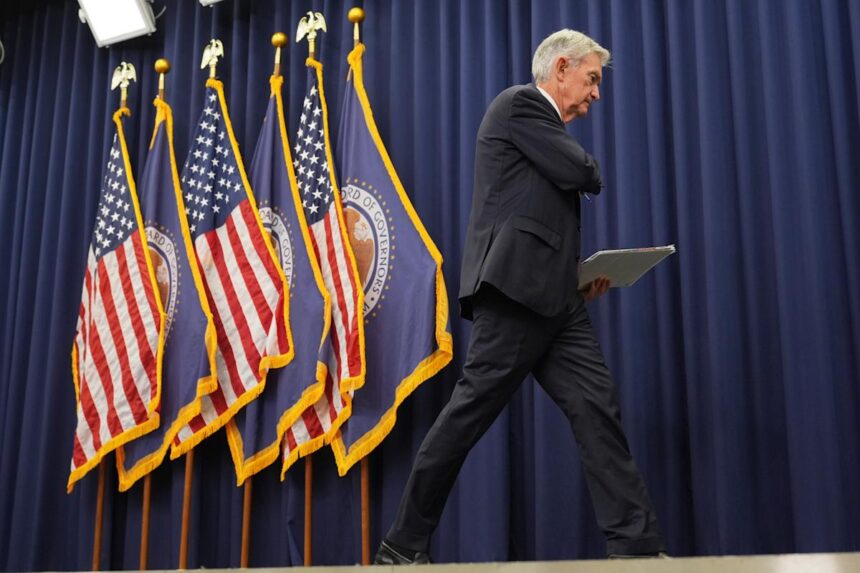
Stocks surged to record highs at the end of the week as investors responded positively to the Federal Reserve’s recent interest rate cut and considered the implications for future monetary policy. The market rally was marked by the S&P 500, Nasdaq, and Dow Jones Industrial Average all closing at new peaks, a collective achievement not seen since 2021.
In the coming week, attention will turn to a series of speeches from key Federal Reserve figures. Newly appointed board governor Stephen Miran is scheduled to speak on Monday, followed by Fed Chair Jerome Powell on Tuesday, highlighting the ongoing discourse around interest rates and economic conditions. These events are particularly significant for market watchers seeking insight into the Fed’s future direction.
The economic calendar next week features a selection of important data releases alongside major earnings reports. A focal point will be the Personal Consumption Expenditures (PCE) index set for release on Friday, which is expected to show core inflation easing to 0.2% for August, but possibly remaining elevated at an annual rate of 2.9%, above the Fed’s target.
Other data to monitor includes the University of Michigan’s consumer sentiment index and mortgage rates, which are currently near their lowest in a year, as reported by Freddie Mac. Investors will also keep an eye on the earnings of Micron Technology, particularly for insights into AI-driven demand, as well as Costco, which serves as a key barometer for consumer spending trends. Other notable companies reporting include Firefly Aerospace, AutoZone, Cintas Corporation, and Accenture.
Investor sentiment remained buoyant following the Fed’s anticipated rate cut, resulting in a significant influx of capital into stock markets. Inflows totaled approximately $57.7 billion, reflecting the largest weekly gain since December. This enthusiasm persisted despite some analysts cautioning that the stock market may be becoming overheated. Additionally, reports indicate that investors pulled approximately $5 billion out of cash holdings, marking the first outflow since July.
Geopolitical factors also played a role in market dynamics this week. Tariffs on Chinese imports remain on hold due to ongoing negotiations between the U.S. and China, with a meeting between Presidents Trump and Xi anticipated later this year. Meanwhile, a looming government shutdown in D.C. has raised concerns, although investor anxiety appears limited given the heightened stock market confidence. Both Senate Democrats and Republicans blocked each other’s proposals for extending government funding, leaving lawmakers scrambling to forge a compromise.
Globally, financial markets continue to thrive, with stocks rising and commodities like gold reaching all-time highs. Bitcoin’s value is also on the rise, although the energy sector has faced a downturn, with crude oil prices—both Brent and West Texas Intermediate—dropping over 1% on Friday, contributing to a yearly decline exceeding 10%.
Despite the Fed’s rate cuts typically sparking growth in oil demand, this pattern has not materialized due to oversupply concerns. Recently, OPEC+ announced plans to boost production rates, rooted in Saudi Arabia’s strategy to capture greater global market share. As a result, fears linger over sustained price pressures that may not align with the broader expectations following the Fed’s monetary easing.
As energy demands escalate in sectors such as technology, particularly those driven by AI advancements, the U.S. power grid faces increased strain, contributing to rising electricity costs. Speculation has arisen around the potential for nuclear energy to address these challenges, with Bank of America projecting significant economic opportunities in this arena over the coming decades.
As the week unfolds, investors will remain vigilant, focused on both market signals and economic reports that could influence trading strategies and sentiment moving into the last stretch of the month.