Surging oil prices, exacerbated by the ongoing conflict with Iran, are beginning to impact African economies significantly. As countries across the continent grapple with the potential for higher fuel costs, rising inflation, and increased pressure on local currencies, the economic outlook appears increasingly uncertain.
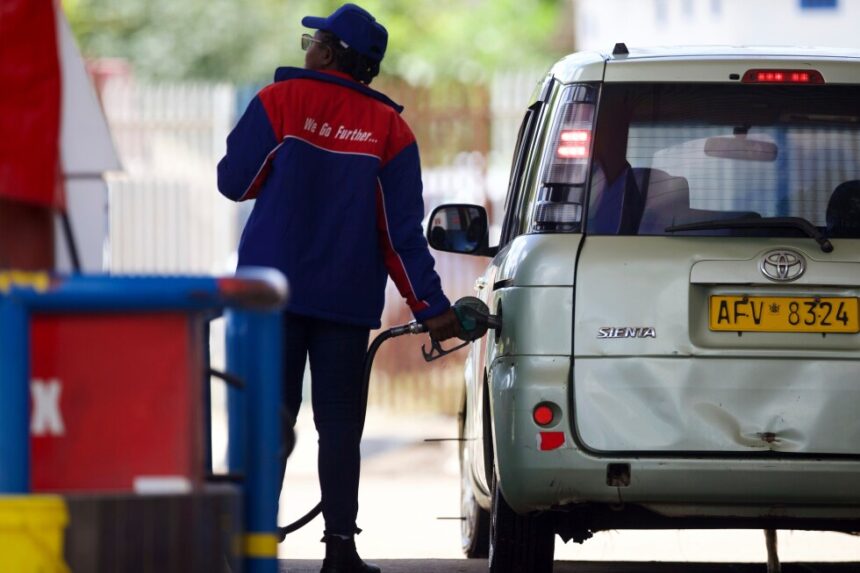
Africa’s reliance on imported petroleum products makes it particularly susceptible to supply disruptions and price shocks. Nick Hedley, an energy transition research analyst at Zero Carbon Analytics, highlighted that Africa is a net importer of oil, leaving many nations vulnerable to fluctuations tied to geopolitical tensions in the Middle East, a region crucial to global oil flows. With the tightening of global oil supplies, prices are increasing, and African currencies are often weakening, as investors shift their resources towards safer assets such as the U.S. dollar. This dual impact creates significant challenges for import-dependent economies, particularly in countries like Kenya and Ghana.
The current crisis echoes the dynamics observed after Russia’s invasion of Ukraine in 2022, when South Africa witnessed transport fuel prices soar by more than 25% within six months due to rising crude prices and a depreciating currency. As Brendon Verster, a senior economist at Oxford Economics, noted, the main risks involve both escalating oil prices and diminishing exchange rates, driving investors toward safe-haven currencies.
The ongoing conflict has heightened sensitivity in the oil market, especially due to the strategic significance of the Strait of Hormuz, through which around 20% of the world’s oil supply is transported. The effects of escalating oil prices in Africa, however, are likely to vary from country to country. While nations such as Kenya and Uganda report stable supply conditions, other oil-producing countries like Nigeria and Ghana primarily import refined petroleum products, which complicates the advantages of higher global prices.
Despite the potential for higher crude prices to yield significant revenue for some oil-exporting nations, ordinary citizens in many African countries face the immediate burden of increased living costs. Hedley remarked on the implications of rising fuel costs, which quickly filter into broader inflation and diminish household purchasing power.
Peter Attard Montalto, managing director at South African advisory firm Kruthan, indicated that the impact so far has been relatively muted for countries like South Africa. However, he cautioned that the situation is changing, with higher oil and gas prices expected to influence inflation in the coming months. Countries already facing economic challenges, particularly those under International Monetary Fund programs, may experience heightened strain on their foreign exchange reserves, making nations such as Sudan, The Gambia, Central African Republic, Lesotho, and Zimbabwe especially vulnerable.
In the longer term, analysts are advocating for a shift towards energy diversification and sustainability. Kennedy Mbeva, a research associate at the University of Cambridge, stressed the importance of achieving energy security and sovereignty for African nations. This endeavor will necessitate striking a balance between immediate fiscal pressures and making investments in clean energy and green industrialization.
As the continent grapples with the fallout from rising oil prices amidst geopolitical crises, the call for strategic energy reforms and long-term solutions has never been more critical.