









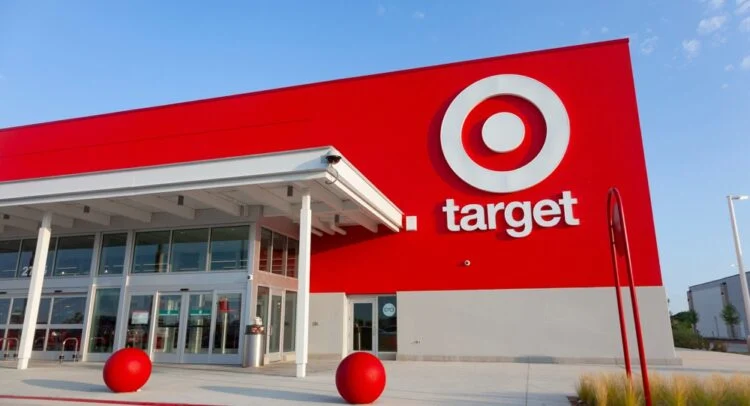
Target has recently faced a downturn in customer satisfaction, a stark contrast to its historically well-organized and clean stores. Shoppers have voiced concerns about messy aisles, extended wait times at checkout, and an increase in out-of-stock items. These challenges have inevitably impacted sales figures for the retail giant.
In an effort to address these issues, Target is revamping its approach to online orders. Instead of relying on all stores to fulfill and ship online purchases, the company is now designating specific locations for this task. The strategy, which began as a pilot program in Chicago, has since expanded to over half of Target’s 60 markets. This shift allows stores not focused on shipping to concentrate on enhancing in-person shopping experiences.
This new approach marks a significant departure from Target’s 2017 initiative to use every store as a fulfillment hub, a strategy that had previously contributed to substantial growth in digital sales—from $6.6 billion in 2020 to nearly $21 billion projected for 2025. However, the fulfillment approach had complicated operations for store managers and employees, who were tasked with balancing customer service needs alongside logistics. Initial results from Chicago indicate that by removing the packing responsibilities from certain stores, not only did next-day delivery cutoffs improve—from noon to 6 p.m.—but those stores also reported cleaner aisles, fewer out-of-stock items, and a notable 10% increase in customer satisfaction.
Despite these positive changes, Target continues to grapple with ongoing problems. Store traffic has dipped since February, influenced by rising grocery prices, increased competition, and customer reactions to various social issues. Shoppers have expressed frustrations with locked-up merchandise and lingering checkout delays. While Target has implemented a restriction on self-checkout to a maximum of 10 items in an attempt to accelerate the process, the retailer is still perceived as falling behind competitors. Many shoppers are turning to Walmart for cleaner stores and more competitive prices.
Analysts suggest that to regain its competitive edge, Target should invest more heavily in store improvements, staffing enhancements, and technological advancements. Current sentiments on Wall Street reflect a cautious stance on Target stock, with a Hold consensus rating stemming from seven Buys, 13 Holds, and five Sells recorded over the past three months. The average price target for Target’s stock stands at $102.33 per share, indicating a potential upside of 14%.