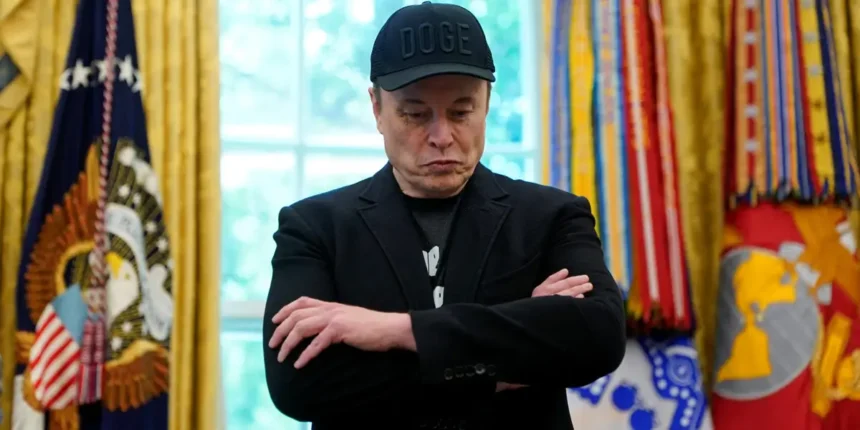
Tesla is gearing up for a crucial shareholder meeting set for November 6, where investors will cast votes on significant issues concerning the company’s future and the performance of CEO Elon Musk. This meeting comes during a challenging year marked by political controversies and a dip in vehicle sales. Notably, Tesla’s board has opted to exclude at least 11 shareholder proposals that focus on accountability and sustainability.
Despite a rebound in shares after a difficult spring and summer, and a boost in third-quarter vehicle sales due to the conclusion of the EV tax credit, many investors remain uncertain about Musk’s leadership and the company’s financial allocations toward artificial intelligence. Key topics at the meeting include Musk’s ambitious $1 trillion pay package and proposed investment in his AI venture, xAI.
The proposed pay package, valued at up to $1 trillion over the next decade, emerged after a Delaware judge invalidated Musk’s previous compensation plan worth $56 billion, citing undue influence from the CEO in its approval. Musk remains without compensation as Tesla navigates the appeals process. To unlock the full payout of the new plan, Musk must achieve ambitious targets, including raising Tesla’s market value to $8.5 trillion by 2035 and selling 12 million vehicles annually.
The pay package has sparked controversy among investors, with influential proxy advisory firms, ISS and Glass Lewis, recommending its rejection over concerns of excess power granted to Musk with insufficient oversight. Musk dismissed criticisms from these firms, labeling them “corporate terrorists” during a recent earnings call.
In addition to the contentious compensation package, Musk is seeking shareholder approval for an investment in xAI, his AI startup founded in July 2023. The company has made significant strides, raising over $12 billion in funding and acquiring X in an all-stock deal, enhancing its valuation considerably. Concerns have been raised among shareholders regarding the potential conflicts of interest stemming from Musk’s many roles across his business ventures, collectively referred to as the “Muskonomy.”
While Tesla’s board has rejected the majority of accountability proposals, some remain on the ballot. These include measures to explore integrating sustainability metrics into executive compensation, conducting audits on child labor, and revising bylaws to make derivative lawsuits more accessible. The board has recommended against all these proposals, indicating a preference for maintaining the current governance structure.
One notable proposal involves amending bylaws that require a 3% stock ownership threshold to file derivative lawsuits, posited by New York State Comptroller Thomas P. DiNapoli. DiNapoli has previously stated that recent changes to shareholder rights post-Tesla’s relocation to Texas compromise fundamental corporate governance principles and must be addressed.
As the date of the shareholder meeting approaches, the stakes for both Tesla and Musk are high, shaping the trajectory of the company amid ongoing scrutiny from investors and industry observers.