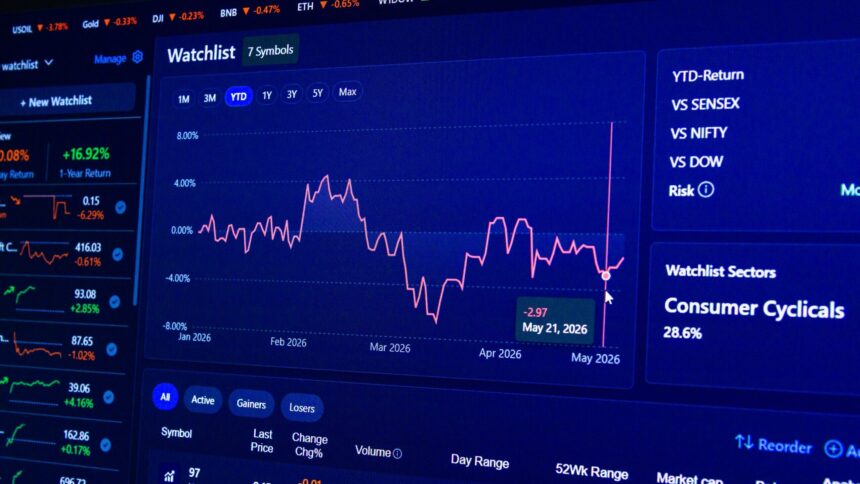
The recent landscape of artificial intelligence (AI) has prompted observers to question whether the American tech industry is losing its competitive edge. Following a notable decline in AI stock valuations, concerns have arisen about a potential bubble in the market. Meanwhile, reactions from college graduates at commencement ceremonies reflect a growing skepticism toward the technology, as mentions of AI are met with disapproval. Data centers are also facing organized opposition, further indicating a shift in public perception.
These developments are particularly worrisome, given that the American tech sector plays a crucial role in the national economy. Seven leading AI companies represent over a third of the total value of the S&P 500, making any slowdown a potential threat to broader economic stability. Despite these challenges, the American tech landscape remains resilient and dynamic, albeit in transition.
A significant aspect of this transition can be seen in the workforce, where layoffs within the AI sector have highlighted unrealistic expectations regarding the technology’s ability to replace human talent. Initial hopes that AI could fully automate coding and engineering tasks have given way to the realization that human oversight remains essential. Many companies, having let go of experienced employees in hopes of cost savings, have begun to rehire as they grapple with the limitations of AI-generated outputs, which have often required extensive corrections.
This shift in sentiment among tech companies suggests a more realistic approach to AI integration, acknowledging that expectations may need to be adjusted. Sam Altman of OpenAI, who initially predicted sweeping changes in the workforce, recently expressed surprise at the slow pace of AI adoption, indicating a more measured outlook.
While companies recalibrate their AI ambitions, consumer expectations are shifting in the opposite direction. A recent survey indicates that nearly 60% of consumers now demand higher standards for customer service than in the preceding year, with a staggering 90% seeking immediate answers from support resources. The rise of AI chatbots has fostered this demand for rapid responses, even as the quality of such interactions varies.
The American tech sector’s future is also being shaped by significant investments in semiconductor manufacturing, prompted in part by the CHIPS Act passed by Congress in 2022. This legislation is encouraging semiconductor companies to return production to the U.S. Following the announcement of plans for a new AI chip factory by SpaceX, the Semiconductor Industry Association has reported over 100 projects spanning 28 states that could collectively create around 500,000 jobs and triple U.S. chipmaking capacity by the year 2032.
As the landscape evolves, foreign competition, particularly from Huawei, remains a pressing concern. The U.S. government’s recent approval of a merger between Hewlett Packard Enterprise and Juniper Networks was influenced by national security considerations, highlighting how investor interests and federal policy are intertwining to bolster American technological capabilities against global rivals.
Despite challenges from competitors, including China’s advanced AI capabilities impacted by domestic economic issues, the U.S. tech industry maintains a strong global foothold. While Europe’s Scaleup Europe Fund aims to stimulate tech investment, its limited financial scope pales in comparison to the scale of American venture capital.
As the next phase of AI unfolds, it is likely to be characterized by more disciplined and strategic approaches, facing real limitations ranging from unreliable outputs to rising infrastructure costs. Public skepticism and the dichotomy between investor expectations and practical deployment will play a pivotal role in shaping the technology’s trajectory.
In summary, the current adjustments within the American tech sector reflect a necessary recalibration rather than a collapse. The potential for further advancements still exists, yet future growth and integration of AI will require a more nuanced understanding of its capabilities and limitations.