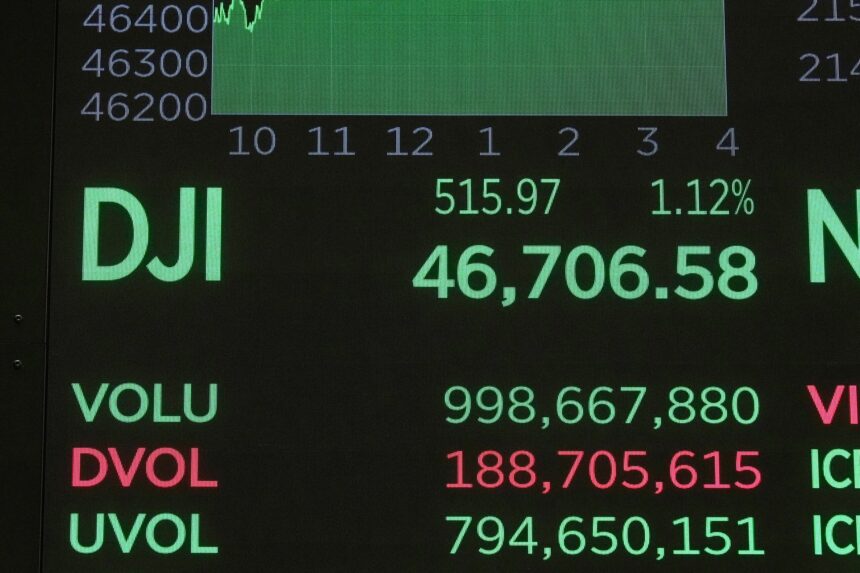
Investors are currently witnessing a robust performance across various asset classes, particularly benefiting those with investments in 401(k) plans. With the U.S. stock market and international equities soaring to new heights alongside bond funds, gold, and cryptocurrencies, the market landscape is undeniably favorable. However, amidst this wave of positive momentum, it is essential for investors to reflect on their strategies and risk tolerance.
The backdrop of this surge can be traced back to a significant downturn earlier in the year. In April, the S&P 500 index faced a dramatic drop of nearly 20%, which many attributed to heightened trade tensions following the tariffs announced by the previous administration. This sharp decline left many investors questioning their positions: did fear drive them to sell at a loss, or did they hold firm, as many financial experts advised? Understanding one’s response to previous market fluctuations is crucial, as the potential for future downturns remains ever-present.
Currently, many analysts, including Mark Hackett of Nationwide, express optimism about continued growth in the stock market, citing strong earnings and easing trade tensions as key drivers. Yet, historical patterns dictate that corrections—sharp declines of around 10%—are a routine aspect of market cycles. Such downturns serve to recalibrate overly optimistic valuations and can last for extended periods, as seen in past bear markets.
Despite the stock market’s recent performance, investors must remain vigilant. The optimism is largely contingent on the expectation that major corporations will continue delivering substantial profit growth to justify elevated stock prices. Concerns have been raised regarding parallels with the dot-com era, particularly in dynamic sectors like artificial intelligence, where certain tech stocks, like Nvidia, carry unusually high price-to-earnings ratios.
As investors navigate this landscape, the upcoming Federal Reserve meeting is pivotal. The central bank’s decisions on interest rates could significantly impact market dynamics. A shift towards lower rates can stimulate growth, while any moves to curb inflation could dampen investor sentiment. This week will also see major technology firms like Microsoft and Apple reporting earnings, which can further influence market movements.
For those considering whether to adjust their portfolios, wisdom from Wall Street suggests that timing the market can prove detrimental. Historical perspectives emphasize that those who sold during moments of perceived overvaluation may have missed considerable gains as markets continued to rise. Instead of liquidating assets, investors should ensure that their portfolios align with their risk tolerance and long-term financial goals.
The appropriate equity allocation in a 401(k) can largely depend on one’s age and investment horizon. Younger investors, with more time to recover from market fluctuations, often have a higher percentage of stocks, while those nearing retirement tend to favor a more conservative approach with a balanced mix of equities and fixed-income assets. Target-date funds, which automatically adjust asset allocation as retirement nears, exemplify this strategy.
Navigating market volatility is a necessity for securing long-term growth. The VIX, known as the “fear index,” provides a measure of market expectations regarding future risk. Currently, with a reading around 16, the market signals calm, but investors are advised to monitor this closely. Historically, a sustained VIX above 20 has marked periods when reducing exposure may be prudent.
Ultimately, the current euphoria in the market underscores the reality that uncertainty is an inherent trait of investing. The strong historical returns associated with the U.S. stock market over time encourage a long-term perspective. Stakeholders are reminded that enduring fluctuations is part of the journey toward building wealth. Maintaining a balanced approach is essential—while optimism persists, vigilance remains equally crucial in the ever-shifting financial landscape.