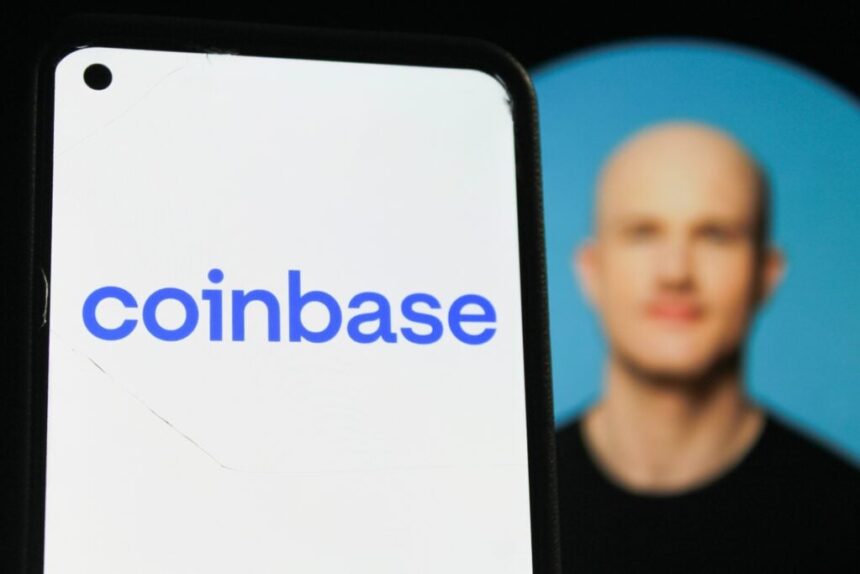
A recent discussion highlights the pressing issue of global access to investment opportunities, particularly in high-quality U.S. companies. In a conversation on the podcast “Sourcery” with Molly O’Shea, industry expert Armstrong noted that approximately four billion people worldwide are currently “unbrokered.” This significant portion of the global population is effectively sidelined from the financial marketplace, unable to invest in U.S. equities and instead limited to lower-quality assets or cash.
Armstrong emphasized that this lack of access represents a critical challenge, stating, “Half the planet basically can’t get access to any high-quality U.S. companies to invest in.” He expressed optimism about the transformative potential of tokenized equities, which utilize blockchain technology to offer greater accessibility and efficiency in trading.
A spotlight was placed on the forthcoming Clarity Act, which Armstrong believes could facilitate wider adoption of tokenized equities. He likened its importance to that of the Genius Act, which played a crucial role in promoting the use of stablecoins. This legislative progression could help bridge the gap for investors who have traditionally been left out of the market.
Emphasizing the broader implications of financial inclusion, Armstrong pointed out that the dissatisfaction with the existing financial system is not limited to emerging markets. He referred to recent surveys indicating that around 83% of Americans feel that the current financial system does not cater to their needs. This sentiment underscores a growing demand for innovative financial solutions that can serve a diverse population.
Recent market data has further validated these perspectives, showing that trading volumes for tokenized stocks have surged to record levels. This trend reflects a rising interest from both institutional and retail investors in gaining blockchain-based equity exposure. As the sector evolves, the push for democratizing access to quality investments is becoming increasingly significant, suggesting a potentially seismic shift in how individuals around the world engage with financial markets.