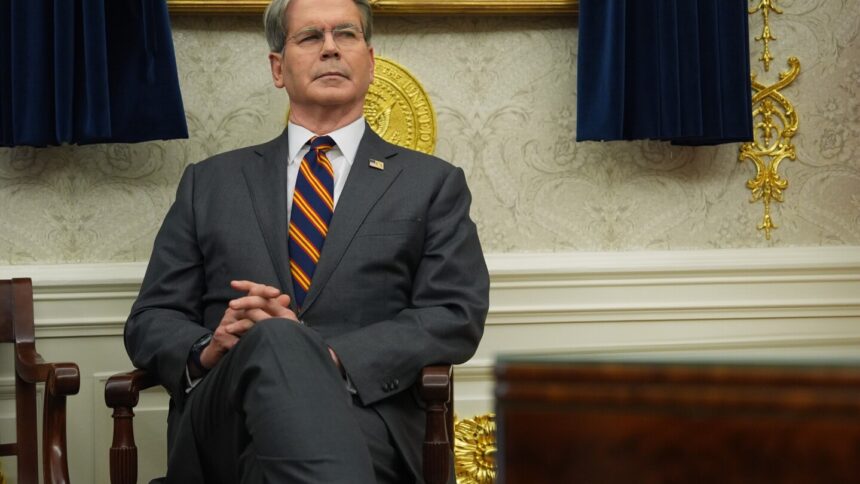
In a recent development, Treasury Secretary Scott Bessent announced that he has divested his holdings in North Dakota soybean farmland, a decision made as part of his compliance with an ethics agreement. Bessent disclosed this change during an appearance on CBS’s “Face the Nation,” where he confirmed that he completed the divestment this week. His financial interests had come under scrutiny, particularly as he led negotiations for the Trump administration with China concerning trade tariffs—an area that has had significant repercussions for U.S. farmers, especially those in the soybean sector.
Bessent, a former hedge fund manager with considerable wealth, has expressed his support for American farmers over the last several months, acknowledging the challenges they face due to heightened tariffs imposed by China. Following Trump’s initiation of tariff measures against Chinese goods, Beijing retaliated by enforcing steep tariffs on U.S. farm products, which significantly affected American soybean exports. China, previously the largest buyer of U.S. soybeans, has dramatically reduced its purchases amid the trade tensions.
During his tenure, Bessent has voiced his empathy for the agricultural community, noting that he understands the “pain” inflicted by the trade wars. This sentiment was underscored during a previous statement made to ABC News, where he referred to himself as “actually a soybean farmer.” His investments were part of a family partnership, which necessitated the divestment as part of adhering to ethical standards for government officials.
The secretary’s divestment comes just ahead of a scheduled announcement regarding a new $12 billion farm aid package intended to assist farmers adversely affected by the ongoing trade situation. On the following Monday, Bessent is expected to play a key role in the White House’s announcement of this aid initiative, aimed at providing necessary support to those facing financial difficulties due to the shifting international trade landscape.
In light of Bessent’s actions, there has been no immediate comment from a Treasury representative regarding the details of the divestment or its implications for ongoing trade negotiations. As the administration navigates this complex situation, the impact of trade policies on agriculture continues to be a critical issue for farmers across the United States.