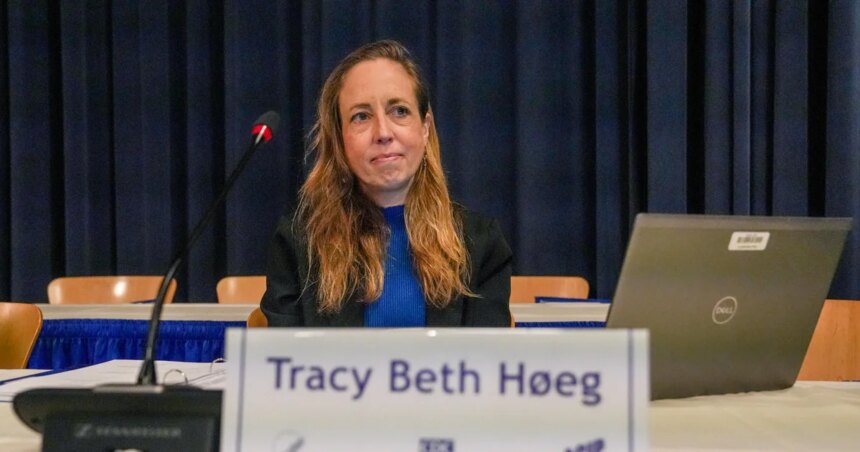
The recent appointment of Dr. Tracy Beth Høeg as the acting director of the FDA’s Center for Drug Evaluation and Research has sparked significant concern among senior FDA officials. Insiders have conveyed to CBS News that this move could potentially jeopardize the agency’s reputation as a reliable guardian of the nation’s drug supply.
Høeg’s appointment follows the rapid resignation of Richard Pazdur, who led the office for only three weeks. Those within the agency express alarm, suggesting that placing Høeg in this crucial role could be akin to “dropping an atom bomb.” Critics have highlighted her lack of experience in supervising drug reviews or conducting clinical trials, raising doubts about her understanding of the laws and regulations governing the FDA.
Høeg’s background as a sports medicine physician and epidemiologist includes advocacy for vaccine skepticism, especially regarding the COVID-19 vaccine and its association with myocarditis in young men. This controversial stance was evident when she co-wrote a memo claiming the FDA had identified deaths in children related to the vaccine—a claim that has drawn scrutiny due to the absence of supporting data.
A dozen former FDA leaders have publicly criticized proposed changes in vaccine policy, asserting that they undermine the traditional regulatory model designed to ensure vaccine safety and effectiveness. In her new position, Høeg will manage an office responsible for the approval and oversight of both over-the-counter and prescription drugs, leading to fears that her tenure may politicize a sector that has historically been focused on scientific integrity.
The repercussions of her appointment may not only affect public health policy but also influence pharmaceutical companies’ decisions on drug development, possibly prompting them to seek regulatory environments abroad seen as more stable.
Høeg’s involvement with a CDC advisory panel has seen her challenge existing vaccination schedules in the U.S., questioning the rationale behind differing recommendations for various populations compared to other developed nations. However, her stance contradicts the consensus among health experts that U.S. vaccination guidelines are rooted in extensive evidence.
During her recent discussions, Høeg acknowledged the importance of vaccines, particularly in light of rising measles cases among unvaccinated children. Her statements have focused on the erosion of trust in the healthcare system during the pandemic, linking mistrust to vaccine mandates and political division.
As Høeg steps into this pivotal role, the FDA continues to grapple with instability in leadership, having undergone multiple changes this year. The departure of previous directors has been characterized by various sources as a direct response to internal conflicts and external pressures, underscoring the ongoing challenges faced by the agency in maintaining its integrity and public trust.