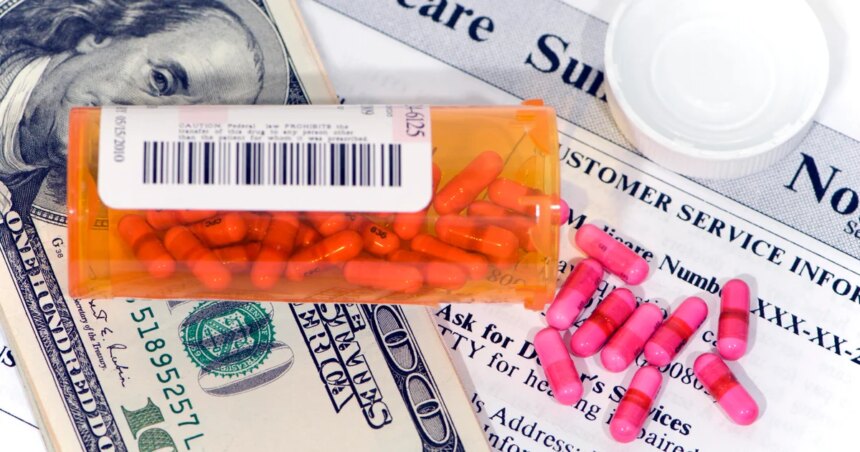
In a significant development in healthcare, the Trump administration has successfully negotiated reduced prices for 15 commonly prescribed medications that are covered by Medicare. This initiative, driven by the Inflation Reduction Act, is projected to decrease spending on these drugs by approximately 44%, amounting to around $12 billion in total savings.
While the announcement raises hopes for cost savings for seniors, the impact on individual Medicare enrollees remains somewhat ambiguous since many are already protected by a cap on drug costs. According to the Centers for Medicare and Medicaid Services (CMS), the new pricing structure is expected to collectively save the 55 million seniors enrolled in the Part D pharmaceutical plan around $685 million. The potential savings for individual patients will depend on their utilization of the newly discounted drugs and whether they have reached their annual spending limit. However, with an estimated 5.3 million beneficiaries using these medications, the average reduction in out-of-pocket costs is projected to be approximately $129 per enrollee.
The negotiated prices will officially come into effect in 2027 for drugs purchased through Medicare’s Part D plan. Discounts for these medications, including prominent names like Novo Nordisk’s Ozempic and Wegovy, are expected to range between 38% and 85% off the listed prices. These medications are widely prescribed for various health conditions, including diabetes and weight management, as well as other common illnesses such as asthma and prostate cancer.
Concerns about prescription drug costs are of primary importance for seniors, as highlighted by AARP. Starting in 2025, the Inflation Reduction Act will also establish a $2,000 cap on out-of-pocket spending for seniors, which is subject to annual inflation adjustments and could rise to around $2,200 by 2027. Essentially, until seniors reach this cap, the negotiated prices on these 15 drugs are set to alleviate some of their financial burdens.
The estimated expenditure for these 15 medications is around $40.7 billion within the Medicare Part D program, affecting millions of users. Merith Basey, executive director of Patients For Affordable Drugs, emphasized that the ability of Medicare to negotiate lower drug prices is a pivotal tool in managing healthcare costs and ensuring accountability from the pharmaceutical industry. Lower prices are not only expected to benefit individuals but also the Medicare program itself, as the savings from these negotiations will contribute to funding the out-of-pocket spending cap.
It is noteworthy that Medicare’s negotiation efforts are distinct from previous agreements made by the Trump administration regarding drugs like Zepbound, Ozempic, and Wegovy. Those earlier arrangements established a pricing structure for eligible patients across Medicare, Medicaid, and the proposed TrumpRX pharmaceutical website. While these prices for certain drugs could be lower than those negotiated by CMS, the agency indicated that the earlier deal’s pricing is anticipated to take precedence over the new Medicare pricing plan.
In summary, while the negotiations represent a positive stride towards reducing prescription costs for many Medicare enrollees, the specifics of how these changes will manifest individually remain to be fully clarified in the coming years.