In a significant week for global markets and geopolitics, investors are poised for potentially major changes. The upcoming initial public offering (IPO) of SpaceX, which is set to take place next Friday, is anticipated to be historic, with a fixed price of $135 per share and a staggering valuation of $1.77 trillion. This milestone will position CEO Elon Musk as the world’s first trillionaire, although analysts caution that the early performance of such IPOs often encounters volatility, based on historical trends.
In the backdrop of corporate developments, geopolitical tensions appear to be easing slightly. A newly announced ceasefire between Israel and Lebanon, facilitated by U.S. diplomatic efforts, has led to a noticeable easing in oil prices, raising hopes for a broader resolution to ongoing conflicts in the region, specifically regarding the U.S.-Israeli stance toward Iran. Israeli Prime Minister Benjamin Netanyahu addressed concerns in a recent interview but emphasized the necessity of U.S. military support if necessary, signaling a collaborative approach while acknowledging tactical disagreements.
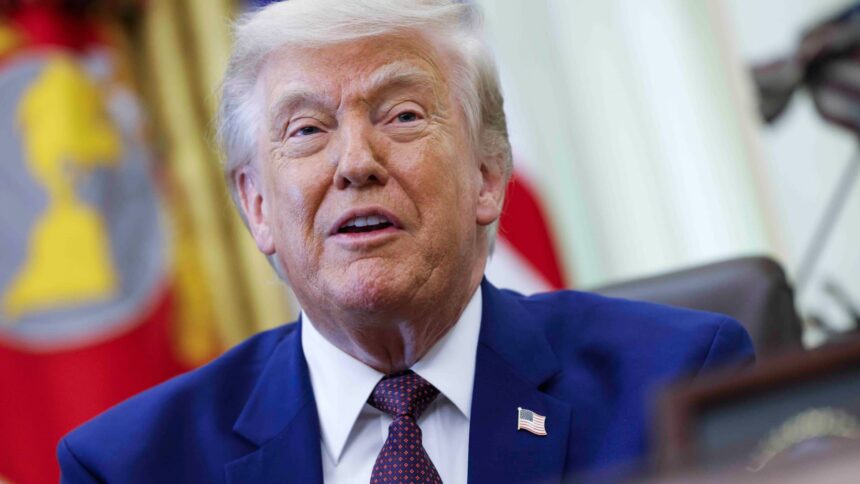
On the domestic front, the U.S. House of Representatives delivered a notable rebuke to President Donald Trump’s authority regarding military actions in Iran. In a vote that saw the support of four Republican representatives alongside Democrats, the resolution would require Congressional approval for any continuation of the war, reflecting a growing concern about executive power in armed conflicts.
Meanwhile, the European Union has introduced its long-awaited “tech sovereignty” package aimed at reducing reliance on tech giants from the U.S. and China. This initiative has drawn criticism for not going far enough in its ambition. Notable figures, including former U.K. Deputy Prime Minister Nick Clegg, have voiced their skepticism about the effectiveness of European AI laws, suggesting that they may lack coherence.
In a nod to ongoing international diplomacy, President Trump announced via Truth Social his upcoming attendance at the G7 summit in Evian, France, where he may encounter Sam Altman, the head of OpenAI, who received a personal invitation from French President Emmanuel Macron.
Lastly, discussions around SoftBank’s recent surge in value, spurred by rising enthusiasm for artificial intelligence investments, have raised concerns about liquidity and balance-sheet risks. The company’s shares have climbed significantly this year, aided by the strong performance of chip designer Arm Holdings and expectations surrounding OpenAI’s impending IPO. However, analysts urge caution, suggesting that the optimism surrounding SoftBank’s remarkable recovery could mask deeper financial vulnerabilities, a potential risk that may echo the company’s previous struggles with the failed WeWork investment.
As markets react to these intertwining narratives of corporate ambitions, geopolitical maneuvers, and regulatory developments, a period of uncertainty and anticipation looms ahead for investors and leaders alike.