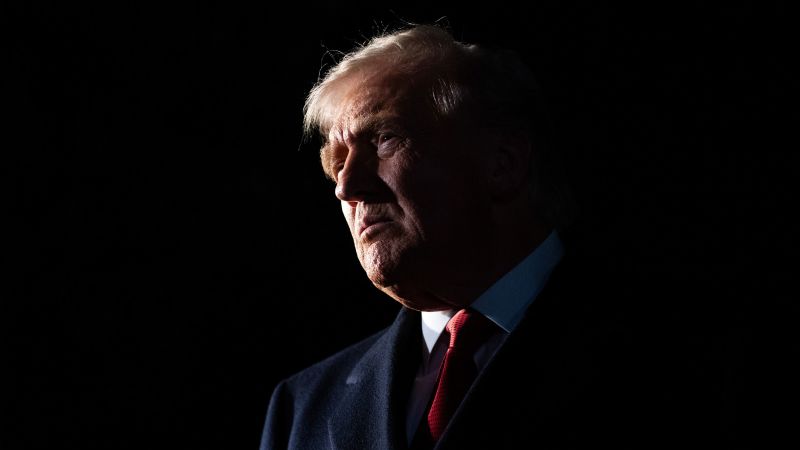
US President Donald Trump is embarking on a pivotal six-day tour of Asia, aimed at reinforcing diplomatic ties and addressing pressing economic and national security challenges. This journey marks Trump’s first Asia visit since his reelection, and he is poised to engage with a mix of allies and rivals, including high-stakes meetings with notable leaders like Chinese President Xi Jinping.
Arriving in Kuala Lumpur late Saturday, Trump will commence his visit by signing a peace agreement brokered between Cambodia and Thailand, a deal he touted in a Truth Social post. This agreement follows a ceasefire that ended violence between the two nations over a territorial dispute—an initiative Trump leveraged by hinting at unfavorable trade terms if the conflict persisted.
During this trip, the “America First” president seeks to fortify US influence in the region, particularly as China’s global presence continues to grow. Amid a backdrop of ongoing trade tensions, Trump’s discussions will center not only around the recent ceasefire but also crucial economic agreements and national security partnerships. The trip includes meetings with leaders from the Association of Southeast Asian Nations, Japan, and South Korea, with a focus on strengthening these relationships amid strained economic ties due to Trump’s tariff policies.
One of the most anticipated aspects of Trump’s itinerary is his scheduled meeting with Xi Jinping. Their relationship has been fraught with tension, particularly following a series of tariff escalations and recent threats from Trump to impose a significant increase in tariffs on Chinese goods. Observers are keenly watching for any signs of progress in easing these trade barriers, as both nations prepare for contentious discussions. Countries across the region are also bracing for the implications of Trump’s assertive diplomatic style, characterized by direct negotiations that have led to both agreements and dramatic impasses.
Expert analysis suggests that while Trump’s brand of diplomacy has often raised concerns, there remains a desire among regional leaders to secure favorable terms and economic relief from tariffs. The stakes are heightened, with Trump expected to inquire about China’s influence over Russia amid ongoing conflicts, particularly regarding the war in Ukraine.
In Japan, Trump will meet with newly elected Prime Minister Sanae Takaichi, the first woman in the role. The two leaders are expected to discuss Japan’s commitment to substantial investments in the US, which could signal a continuation of the close ties previously cultivated with former Prime Minister Shinzo Abe. Takaichi’s conservative policies, particularly regarding Japan’s defense posture and controversial local issues, may play a role in how relations are navigated.
The trip also includes a critical meeting with South Korean President Lee Jae Myung, where trade and security will take center stage. Recent tensions over immigration issues tied to South Korean companies operating in the US and a new trade deal underscore the precarious nature of US-South Korea relations. Lee has expressed optimism about finding common ground, emphasizing the importance of rational negotiations.
Amid these diplomatic efforts, North Korea’s military provocations remain a pressing concern. Trump has hinted at the possibility of leverage with Putin regarding North Korea and has left the door open for a surprising encounter with Kim Jong Un, although skepticism abounds regarding the feasibility of such a meeting.
While in Kuala Lumpur, Trump is also scheduled to engage with regional leaders from various Southeast Asian nations, reinforcing US interests in an area that faces its own set of political and economic challenges.
As the trip evolves, global observers will be closely monitoring how effectively Trump can navigate the complexities of international diplomacy and secure beneficial agreements amid the uncertainty of his administration’s assertive trade policies and the ever-shifting geopolitical landscape.