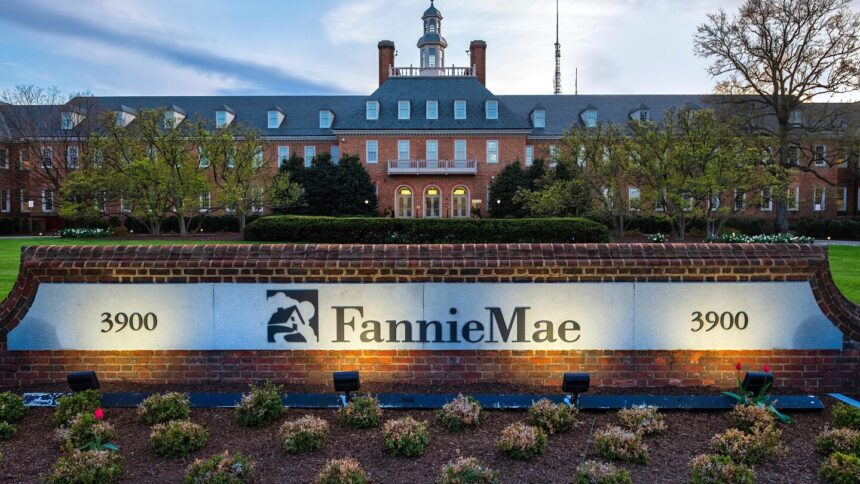
In a surprising move, a new advertisement featuring what appears to be President Donald Trump’s voice has surfaced, utilizing AI technology to clone his speech. The video, which promotes Fannie Mae, includes a disclaimer noting that the voice is an artificial reconstruction. The ad, which has received official permission from the Trump administration, touts an “all new Fannie Mae” and brands the entity as the “protector of the American Dream.” This strategic release aligns with the administration’s broader initiative to address public concerns about housing affordability.
President Trump is set to discuss housing during his upcoming appearance at the World Economic Forum in Davos, Switzerland, where he will engage with global leaders and corporate executives. The timing of this ad is notable, especially following a prime-time address in which Trump promised significant housing reform proposals, aiming to make home ownership more attainable for Americans.
In the advertisement, Trump’s AI-generated voice expresses a sentiment many Americans resonate with: “For generations, home ownership meant security, independence, and stability. But today, that dream feels out of reach for too many Americans not because they stopped working hard but because the system stopped working for them.” This statement reflects the current climate of apprehension regarding home ownership, as many struggle with rising prices.
Fannie Mae and its sister organization, Freddie Mac, which have remained under government control since the Great Recession, play critical roles in the U.S. housing market. They purchase qualifying mortgages from banks to maintain liquidity, guaranteeing approximately half of the $13 trillion home loan market. The ad indicates Fannie Mae’s commitment to collaborate with banks to expand mortgage approvals for prospective homebuyers.
Trump, along with Bill Pulte, the head of the Federal Housing Finance Agency, has discussed the potential for listing Fannie Mae and Freddie Mac on stock exchanges, although specific plans have yet to be detailed. Additionally, there have been mentions of extending the traditional 30-year mortgage to a 50-year option to ease monthly payment burdens, a proposal Trump seemed to reconsider amid criticism regarding its impact on housing equity.
Earlier this month, Trump indicated on social media that he is directing the federal government to invest $200 billion in mortgage bonds, a move claimed to potentially lower mortgage rates during a period of heightened consumer anxiety regarding home prices. He has also expressed intentions to restrict large institutional investors from purchasing homes, believing that such a ban could facilitate first-time homebuyers, particularly younger families.
Interestingly, the use of AI to replicate his voice comes in stark contrast to Trump’s previous critiques of the Biden administration’s alleged use of autopen for the signing of legislation and executive orders, despite a lack of solid evidence backing those claims. As Fannie Mae and Freddie Mac navigate the complexities of the housing market under the current administration, the implications of these technological advances in political communications continue to unfold.