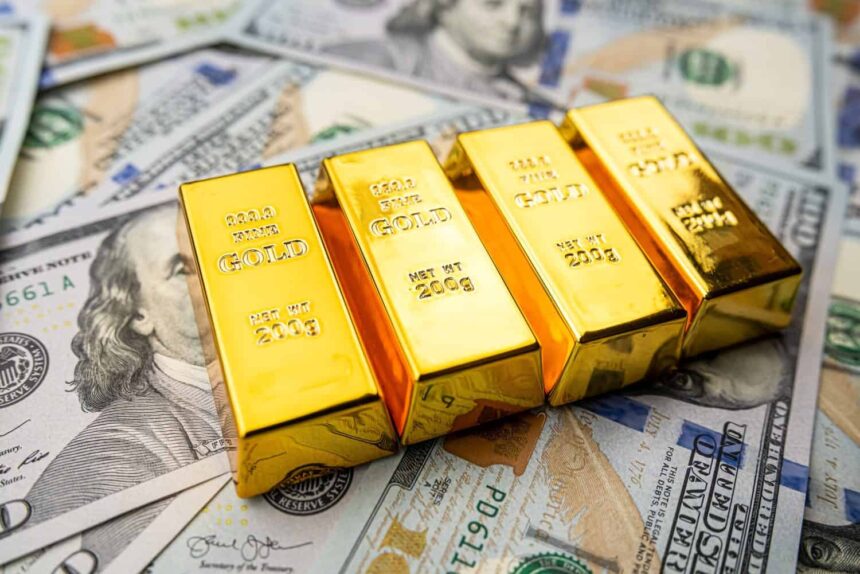
The allure of gold and gold mining investments has gained increased attention, primarily as a hedge against inflation and due to rising prices of other commodities such as silver and copper. Recent developments indicate a spike in gold prices, surpassing levels achieved in the summer of 2020. Analysts highlight that the gold market is poised for a significant breakout, particularly following gold’s exceptional performance in 2025.
In the context of cryptocurrency, concerns have emerged about Bitcoin’s sustainability as a defensive asset. Christopher Wood from Jefferies suggests that Bitcoin may have reached its peak, especially with the looming threat from quantum computing that could undermine its security framework. This uncertainty surrounding Bitcoin could inadvertently bolster the appeal of gold as a reliable store of value against geopolitical and economic turbulence.
The threat posed by quantum computing to Bitcoin’s integrity is significant. Reports indicate that advancements in quantum capabilities could compromise the security of the Elliptic Curve Digital Signature Algorithm—a crucial component that protects Bitcoin transactions. This security vulnerability raises alarms among major financial institutions, including BlackRock and the Federal Reserve, with estimates suggesting that between 20% and 50% of Bitcoins currently in circulation could be at risk if such technology becomes widely available.
Wood sees potential preemptive measures to safeguard Bitcoin’s value, such as the deliberate destruction of vulnerable coins, which might constrict supply and elevate the prices of the remaining coins. Nonetheless, he argues that the risks associated with Bitcoin will ultimately play into gold’s favor as a historically proven hedge against wealth erosion.
Prominent market figures like Ed Yardeni further bolster this narrative, with estimates suggesting the price of gold could soar to $10,000 per ounce by the end of the decade, forecasting incremental climbs to $5,000 per ounce by 2026. These predictions align with broader trends where central banks are increasingly diversifying their reserves, with gold holdings surging to approximately 36,200 tonnes, now constituting nearly 20% of official reserves—up from about 15% in recent years.
This growing emphasis on gold has not yet fully translated into proportional gains for gold miners. Investors can consider several gold mining companies that offer reliable dividends, with ratings of “Buy” from reputable Wall Street analysts:
-
Agnico Eagle Mines: This respected North American gold producer has a diverse portfolio, supporting a 0.80% dividend. Its key operations include sites in Canada, Australia, and Finland.
-
Barrick Gold: With a 1.20% dividend yield, Barrick operates globally across significant mineral districts and holds a strong position following its merger with Randgold Resources.
-
Franco-Nevada: This royalty and streaming company has maintained a debt-free balance sheet and has increased its dividend consistently since its IPO in 2008, currently yielding 0.62%.
-
Newmont Corporation: The world’s largest gold mining entity pays a modest dividend of 0.88%. Its extensive operations span multiple continents, with significant assets in North America and Australia.
-
Wheaton Precious Metals: This company, with a 0.48% dividend, focuses on precious metals streaming agreements, providing a conservative approach to investing in the sector while securing revenues through a diversified asset portfolio.
For investors looking for pure exposure to gold, the SPDR Gold Shares ETF, which holds physical gold bullion, could serve as an effective vehicle, although it does not provide dividends.
Given the rising inflationary pressures and shifting market dynamics, incorporating a modest percentage of precious metals into investment portfolios could serve as a strategic move, not only as a shield against inflation but also to offer stability during market downturns.