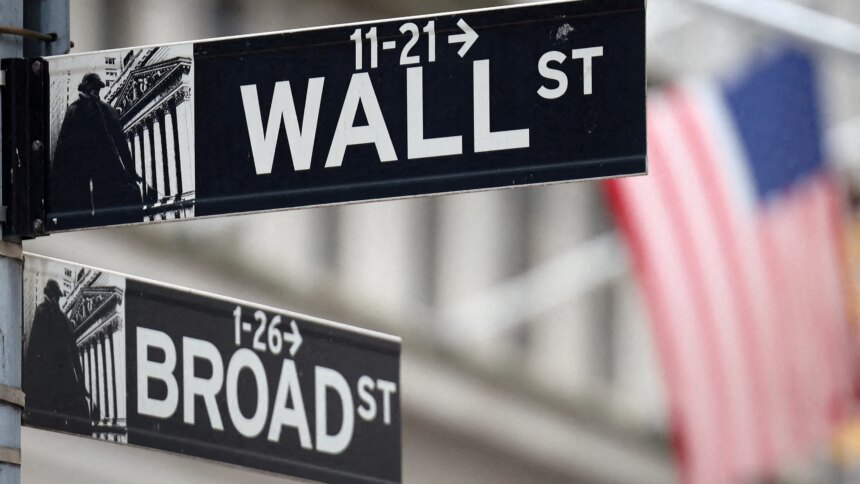
On November 20, investors experienced considerable volatility in the U.S. stock market, marked by significant fluctuations throughout the trading day. The turmoil was ignited following the strong earnings report from Nvidia, released on November 19, which initially instilled confidence among investors and temporarily eased fears surrounding a potential AI bubble.
However, this optimism proved fleeting. By midday on November 20, stocks began to decline sharply, a downturn that coincided with the unveiling of the delayed September jobs report, which had been postponed for over a month due to a government shutdown. By the end of the trading day, the market had taken a notable hit: the Dow Jones Industrial Average fell by 386.51 points, the Nasdaq declined by 486.18 points, and the S&P 500 experienced a decrease of 103.40 points.
The catalyst behind this downturn was largely attributed to the September jobs report, which revealed that U.S. employers added only 119,000 jobs during the month. To add to investor concerns, the unemployment rate ticked up slightly from 4.3% to 4.4%. Moreover, the job gains for July and August were revised down by a total of 33,000, casting further doubt on the strength of the labor market.
This data created an atmosphere of uncertainty regarding the Federal Reserve’s approach to interest rates, which had fueled hopes for a potential rate cut in December. Bret Kenwell, a U.S. investment analyst at eToro, suggested that the market’s pullback was a reaction to these resurfaced uncertainties. He emphasized that elevated uncertainty typically leads to increased market volatility, highlighting concerns regarding the broader economy, including labor market stability, trade tariffs, and ongoing government shutdown implications.
Adding to the uncertainty, the government confirmed that an October jobs report would not be released at all due to the data collection disruption during the shutdown, leaving investors with an incomplete picture of the economic landscape.
In contrast to the tumultuous Thursday, markets showed signs of recovery on the following day, albeit with Nvidia’s stock remaining effectively unchanged. Meanwhile, Bitcoin faced its own challenges, experiencing a 1% drop early Friday morning, reaching its lowest level since April. Reports indicated that Bitcoin’s decline was not only due to the recent liquidation event in October but also influenced by ongoing margin calls on leveraged positions, a bearish market sentiment, and a murky outlook on interest rates.
As investors grapple with these complex dynamics, the future remains uncertain, underscoring the significance of surfacing data and trends that could shape market movements in the days ahead.