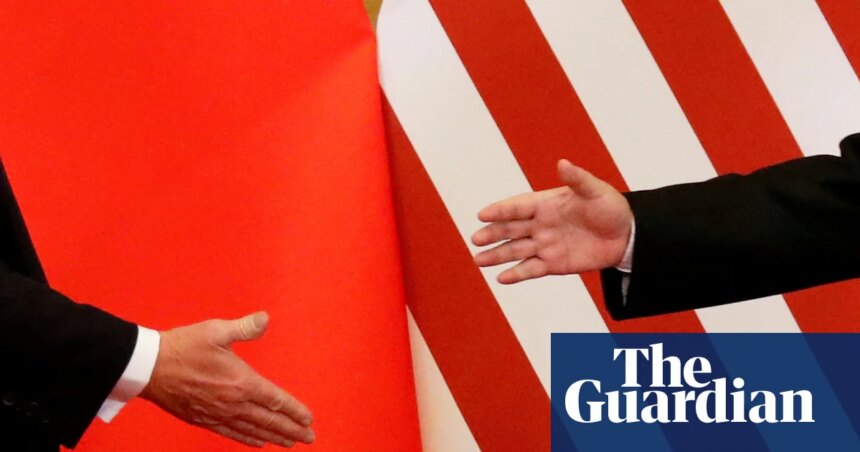
The United States and China have made significant strides toward finalizing a trade agreement, just days ahead of a highly anticipated meeting between President Donald Trump and Chinese President Xi Jinping. This development unfolded during the Association of Southeast Asian Nations (ASEAN) summit in Malaysia, where Treasury Secretary Scott Bessent announced that the framework will avert the imposition of a 100% tariff on Chinese imports, which was set to come into effect on November 1. A crucial element of the agreement includes a final deal regarding the sale of TikTok in the United States.
As Trump began his five-day tour of Asia in Malaysia, he expressed optimism about the prospects of a trade deal, stating, “I think we’re going to have a deal with China.” This sentiment reflects a shift in the ongoing negotiations, as both sides have signaled a willingness to work toward an agreement.
Bessent revealed that, as part of the truce, China has agreed to delay the implementation of export controls on essential minerals used in various industries, including fighter jets, smartphones, and electric vehicles, for one year. China’s chief trade negotiator, Li Chenggang, confirmed that both parties have reached a “preliminary consensus” and are poised to begin their respective internal approval processes.
Li acknowledged the robust discussions that have taken place, characterizing the U.S. stance as assertive. “We have experienced very intense consultations and engaged in constructive exchanges in exploring solutions and arrangements to address these concerns,” he stated.
In addition, Bessent noted that a potential truce is also being discussed between the U.S. and Brazil. President Luiz Inácio Lula da Silva described a recent meeting with Trump as “positive,” and both teams are set to initiate discussions regarding tariffs and related issues.
The agreement between the U.S. and China holds considerable implications for global trade, particularly as fears of an all-out trade war had loomed large, potentially disrupting car production throughout Europe and the UK. This progress comes after a prolonged period of heightened tensions between the two economic giants, which began with Trump’s “liberation day” tariff announcement in April.
As the tariff truce was nearing its expiration, Xi indicated his unwillingness to yield to Trump’s threats of 100% tariffs. Instead, he opted to impose new controls on the export of rare earth minerals, critical components in various technologies, further intensifying the economic rift. Trump has criticized China’s actions, stating that Beijing is creating a hostile environment and attempting to exert control over global supply chains.
The agriculture sector has also felt the repercussions, as China suspended its purchases of U.S. soybeans, a significant blow given that the country is the largest market for these exports. Bessent expressed optimism that the agreement would lead to a revival of U.S. soybean purchases from China, which halted in September in favor of Brazilian and Argentine alternatives. He assured that U.S. farmers would benefit from the negotiations both in the short term and for future seasons.
Trade Representative Jamieson Greer added that both nations have identified ways to pause some of the punitive tariffs while enhancing access to rare earth materials from China, which should help balance the trade deficit between the two countries.
Regarding Brazil, tensions had escalated following Trump’s increase in tariffs on Brazilian goods, which raised rates from 10% to 50% in August. Lula emphasized the urgency for both nations to engage in dialogue about the tariffs and sanctions affecting Brazil, indicating a collaborative path forward.
As the leaders prepare for their meeting, expectations are high that this framework will pave the way for more fruitful discussions and potentially lead to a comprehensive resolution of outstanding trade issues.