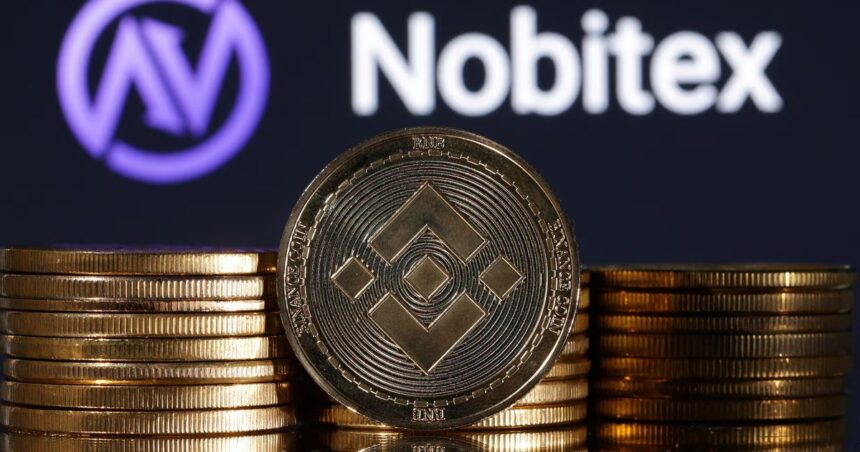
The U.S. Treasury has imposed sanctions on Nobitex, a prominent digital asset exchange in Iran, alongside other exchanges such as Wallex, Bitpin, and Ramzinex. Key figures, including Amir Hossein Rad, the chairman, co-founder, and former CEO of Nobitex, were also targeted. The Treasury’s allegations state that Nobitex processed over half of all Iranian digital asset inflows in 2025 and facilitated transactions related to the Islamic Revolutionary Guard Corps (IRGC), sanctions evasion, ransomware activities, and the Central Bank of Iran’s access to substantial stablecoin reserves.
These sanctions aim to disrupt the infrastructure that has permitted Iranian individuals, state-connected entities, and companies to access the international digital asset market, despite pervasive financial restrictions. Iran’s increasing interest in cryptocurrencies can be attributed to the severe limitations on its access to international banking networks and dollar transactions, significantly declining trade finance opportunities, and reduced oil revenues. While digital assets do not completely bypass these restrictions, they offer alternative pathways for conducting cross-border transactions.
Cryptocurrencies and specifically stablecoins provide a means to facilitate transactions efficiently while maintaining value and access to foreign markets. The relatively low volatility of stablecoins makes them an appealing option, allowing parties to operate outside conventional banking frameworks. Moreover, the Iranian regime has integrated cryptocurrency mining into its strategy for evading sanctions by leveraging subsidized electricity to mine Bitcoin. Despite the additional strain this puts on the country’s electricity grid, leading to public dissatisfaction and power shortages, it remains a compelling option for converting domestic resources into a more usable international asset.
The Strait of Hormuz, a vital global energy passage, has also become a focal point for Iran’s cryptocurrency discussions. Reports indicate that Iran might require oil tankers to pay in cryptocurrency to ensure safe passage through the strait during heightened tensions. Although the execution of such plans is uncertain, they demonstrate the burgeoning role digital assets could play in future geopolitical disputes. Cryptocurrency offers advantages in quickly moving payments across borders while potentially avoiding traditional banking restrictions.
Although there are opportunities for Iran to leverage digital assets, successful execution is complicated by several factors, including existing sanctions risks. The U.S. Treasury has cautioned that Iranian demands for transit payments through the Strait of Hormuz, whether in digital assets or other arrangements, carry inherent risks that international counterparts should be wary of. Blockchain transactions, while enabling quicker and more discreet exchanges, can still be traced by financial-intelligence agencies and specialized firms. Once a platform like Nobitex is sanctioned, the risks for international exchanges and liquidity providers engaging with Iranian-linked wallets rise sharply.
The sanctions also highlight vulnerabilities in Iran’s digital financial infrastructure. A significant hack that Nobitex suffered in June 2025 underlines the inherent risks of relying on potentially insecure digital platforms. Additionally, the IRGC plays a crucial role in Iran’s economy, responsible for a large share of crude oil exports and acting as a major contract provider of domestic infrastructure. The intersection of cryptocurrency and traditional economic activities further emphasizes the importance of non-core financial channels in Iran’s economy, which is increasingly sanctioned.
As Iran seeks to adapt, it may shift its activities toward more decentralized platforms, peer-to-peer trading, stablecoin networks, or new domestic exchanges. However, these alternatives may introduce new challenges, such as diminished liquidity and increased compliance burdens. For the U.S. government, sustained enforcement against such activities demands international collaboration, enhanced blockchain intelligence, and clear directives for shipping companies, insurers, and commodity traders.
Ultimately, the sanctioning of Nobitex underscores a broader shift in financial warfare, moving from traditional banks to blockchain technologies. While digital assets offer Iran a degree of maneuverability under sanctions, their increased reliance also presents new risks and vulnerabilities. As Iran continues to navigate these dynamics, the digital financial landscape is poised to become a critical battleground in the ongoing enforcement of sanctions policy.