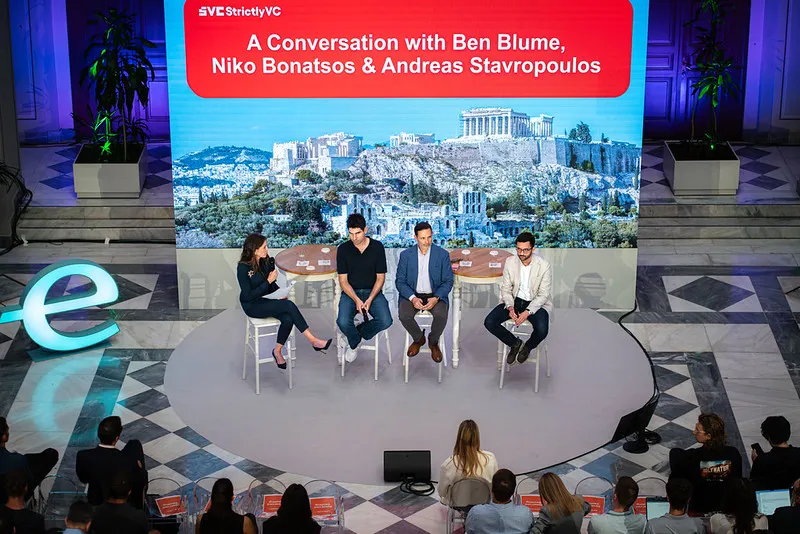
This week, discussions at TechCrunch’s StrictlyVC event in Athens, part of the Panathēnea festival, focused on the current landscape of venture investing, particularly in light of SpaceX’s anticipated IPO valuation of $1.75 trillion. Industry veterans Niko Bonatsos of Verdict Capital, Andreas Stavropoulos of Threshold Ventures, and Ben Blume of Atomico shared insights on the broader implications of high-profile public offerings and emerging market opportunities.
Stavropoulos drew parallels between the upcoming wave of mega-IPOs and the historical significance of Google’s IPO, emphasizing how such events can reignite interest and innovation among entrepreneurs. He noted that the ongoing evolution in the tech sector is likely to foster new business ventures, asserting, “What business today in the information age is not a technology business?”
Blume underscored the potential for megacorporations like SpaceX to generate substantial wealth, creating reinvestment opportunities for upcoming startups. Bonatsos acknowledged SpaceX’s potential to attract attention and capital, drawing a connection to other large ventures, like Cursor, which might benefit from the high stakes surrounding such IPOs.
Concerns around SpaceX absorbing public market capital were addressed. Stavropoulos argued that the influx of interest and investment into the market due to such prominent companies could outweigh any immediate liquidity challenges they might pose to other firms. Blume added that SpaceX’s unique market position invites a diverse set of investors, which may encourage broader participation in the tech sector.
A prevailing topic was the current flood of venture capital into artificial intelligence (AI). Bonatsos observed a pronounced shift in focus toward AI-native companies, stating that the rapid advancements in technology yield remarkable productivity gains for founders. However, he cautioned against overly enthusiastic speculation, noting that a significant proportion of capital in recent years has been concentrated in a handful of firms.
Stavropoulos commented on the inevitable market corrections, suggesting that while there may be a temporary imbalance in optimism versus actual results, long-term growth in the sector remains promising. He emphasized that new entrepreneurs should not be seen simply through the lens of age, but rather by their ability to adapt and innovate in a fast-changing landscape.
Discussion also turned to the evolving dynamics of venture capital deal-making, with Blume pointing out the disparities in capital availability between smaller and larger funds. Bonatsos highlighted the value of identifying outlier founders who can achieve exceptional milestones in a short timeframe.
In exploring the potential for new venture opportunities, Bonatsos indicated a resurgence in consumer-focused investment, which he deemed ripe for innovation. He observed that many investors had vacated the consumer internet space, creating a vacuum that could be filled by fresh ideas. Blume echoed this sentiment, remarking on the vast potential for AI applications in physical sectors, particularly in robotics.
Overall, the panelists conveyed an optimistic outlook for the venture capital landscape, citing the innovative capabilities of today’s founders and the transformative potential of emerging technologies. As the conversation unfolded, it became clear that while challenges exist, the appetite for ground-breaking advancements remains robust amid the ever-evolving market dynamics. The full discussion delves deeper into these themes and provides further insights into the state of venture investing today.