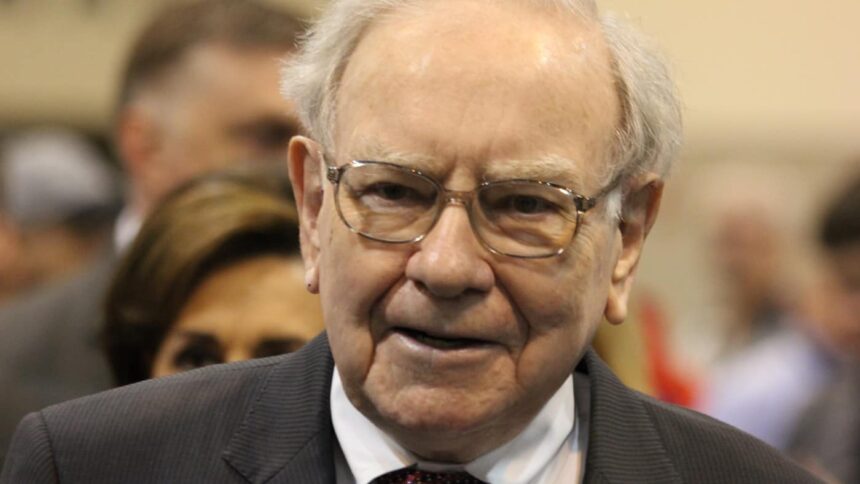
Warren Buffett’s recent decision to step back from his daily executive role at Berkshire Hathaway marks the conclusion of an influential chapter in finance and investment history. Over his tenure, the compounded annual gain in Berkshire’s per-share market value from 1965 to 2024 has achieved an impressive 19.9%. While this figure may appear modest compared to certain high-flying stocks that see annual gains of over 20%, it reflects the challenges of generating consistent returns over decades, particularly during market downturns.
Buffett has often pointed out that individual investors may hold an advantage over institutional investors like Berkshire Hathaway. For smaller investors, finding opportunities for outperformance can be more manageable when engaging with less capital, compared to the billion-dollar scale at which Buffett operates.
Buffett’s investment philosophy can be distilled into several key principles that contributed to his success:
-
Hunt for Long-Term Business Winners: Buffett initially focused on short-term bargains, reflecting a strategy akin to “cigar butt investing,” where the aim was to capture the last bits of value in distressed companies. However, he evolved this method to target high-quality businesses that could deliver compounded growth over time. Notably, his investment in Coca-Cola exemplifies this, as the company has built a compelling brand and consistent sales streams that withstand fluctuations in advertising spending.
-
Discipline in Choices: The stock market is replete with opportunities, yet Buffett stresses that extraordinary opportunities are rare. He advocates for patience, encouraging investors to wait for exceptional investment scenarios, even if that means remaining inactive for extended periods.
-
Stick to What You Understand: A cornerstone of Buffett’s approach involves investing in sectors he comprehends deeply. He emphasizes the importance of recognizing which businesses are attractive and understanding their operational models. Maintaining a diversified portfolio aids in risk management, but the core selection should align with one’s areas of expertise.
-
Look for Compelling Business Models: One of Buffett’s key investments is Coca-Cola, renowned for its straightforward yet effective business model. The company sells syrup through a proprietary recipe to bottlers, allowing it to capitalize on a high-margin segment while outsourcing distribution to others. Although market dynamics can shift—such as changing consumer preferences affecting processed foods—Coca-Cola’s enduring business model showcases its resilience and cash-generating capacity.
As Buffett transitions away from day-to-day management, the principles he championed in investing resonate strongly in today’s markets. Through a lens of discipline, patience, and understanding, future investors can take cues from his legacy and apply them in their own strategies. The focus on long-term value and business fundamentals remains as pertinent as ever in the evolving investment landscape.