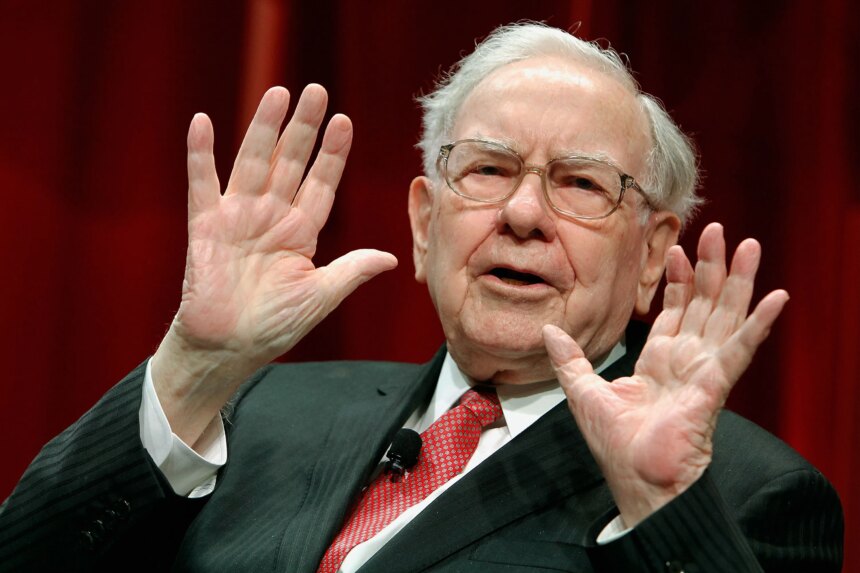
Billionaire investor Warren Buffett has been a source of invaluable investing wisdom for decades, particularly for those nearing retirement who aim to protect their nest eggs. His philosophy emphasizes the importance of acquiring great companies and holding onto them for the long term.
One of Buffett’s primary pieces of advice is the significance of investing in oneself. While growing wealth through the stock market is essential, personal development is equally critical. Learning new skills not only enhances one’s professional value but can also lead to higher earnings. Furthermore, prioritizing physical and mental well-being boosts productivity and reduces the potential high costs associated with health care.
Buffett advocates for simplicity in investment strategies. He is not a proponent of complexity and suggests that investors avoid the pitfalls of stock picking and incessant market tracking. Instead, he recommends investing in low-cost S&P 500 index funds, which provide exposure to 500 of the largest U.S. companies. This approach is especially advantageous for older investors, who may face diminished opportunities to recover from market losses. The automatic rebalancing of these index funds, which replaces underperforming stocks, makes them a reliable choice for long-term growth.
A key tenet of Buffett’s philosophy is the importance of maintaining composure during market fluctuations. His famous adage, “Be fearful when others are greedy, and greedy when others are fearful,” encourages investors to remain calm even amidst downturns. Those who panic often sell their shares during a dip, allowing patient investors to capitalize when the market rebounds. This perspective is particularly crucial for those approaching retirement, who may not have as much time to recover from market downturns.
Moreover, Buffett emphasizes the concept of “moats,” referring to competitive advantages that some companies possess, making them resilient against competitors. Individuals can adopt a similar strategy in managing personal finances by mitigating high-interest debt—which Buffett views as detrimental to financial stability. Paying off such debts, alongside cutting unnecessary expenses and investing wisely, fosters a strong financial foundation.
Lastly, the hallmark of Buffett’s success lies in his long-term thinking. Instead of fixating on current stock prices, Buffett focuses on future potential. His investment philosophy is characterized by patience, simplicity, and disciplined financial habits, which collectively set him apart in the world of investing. By internalizing these principles, individuals can aspire to cultivate their financial success and navigate the challenges of retirement planning more effectively.