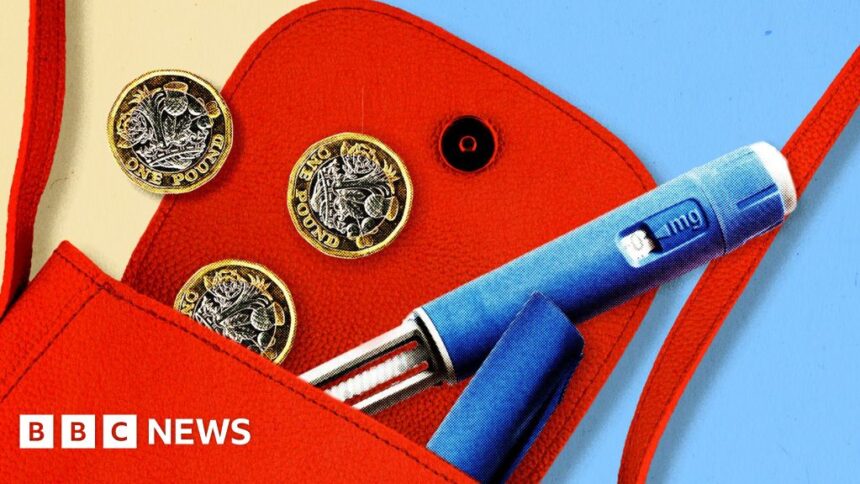
The use of weight-loss injections is rapidly changing consumer behaviors in the UK, with an estimated 1.6 million individuals having utilized these jabs in 2024 alone, according to recent research from University College London. This surge in popularity is reshaping how people shop, dine, and engage in various aspects of their lives.
Many users report that their grocery bills have decreased as they shift toward more nutrient-dense foods. For example, Sam Gillson, a 38-year-old from Shropshire who has lost over four stone since June, has noticed significant changes in his grocery habits. “I’m definitely buying more fresh foods, and fewer unhealthy ready meal/easy dinner options like pizza, chips, and nuggets,” he said. In response to this shift, supermarkets such as The Co-op, Morrisons, and Marks and Spencer have introduced ranges that focus on nutrient-rich ready meals, while Ocado is offering smaller portion sizes, including a 100g steak, catering to customers seeking healthier options.
Furthermore, users of GLP-1 drugs are also dining out less frequently. A survey conducted by KAM Insight found that nearly a third of individuals using these weight-loss drugs are eating out and drinking less. Annie Haslam, a 70-year-old user from Cornwall, shared her experience: “Instead of having takeaways once or twice a month, I haven’t had one for months. I used to eat out at a restaurant once a week; I don’t do that any more.” Despite feeling healthier, both Annie and Sam noted that the costs of the injections negate any savings from reduced dining.
The impact of these medications extends beyond food choices. According to Nicole Tallant, food trading director at The Co-op, members using weight-loss drugs are also reducing their alcohol intake, reflecting a broader concern for health and holistic well-being. A study revealed a 15-percentage point drop in alcohol volume purchases among households with GLP-1 users. This trend aligns with an increasing availability of non-alcoholic beverages; the British Beer and Pub Association anticipates record consumption of low and no-alcohol beer in 2025.
The fashion industry is experiencing significant shifts as well. Annie, who has dropped from a size 18 to a size 12, faced the need to revamp her wardrobe, an expense she estimates cost around £2,000. Market analysts believe the popularity of weight-loss drugs is likely to bolster the fashion sector, especially through second-hand platforms like Vinted, which appeal to those replacing ill-fitting garments.
Additionally, the beauty and fitness markets are witnessing increased demand as individuals adopt new health and wellness routines. There has been a noticeable uptick in spending on healthcare products and gym memberships as users of weight-loss injections seek to maintain their new physiques. The Gym Group is adapting by educating trainers on how to support members undergoing these treatments, illustrating a growing industry recognition of this trend.
In summary, the rise of weight-loss injections is reshaping consumption patterns across various sectors, from food and dining to fashion and fitness. With users increasingly focused on health and wellness, businesses are adjusting their offerings to cater to this new demographic of mindful consumers.