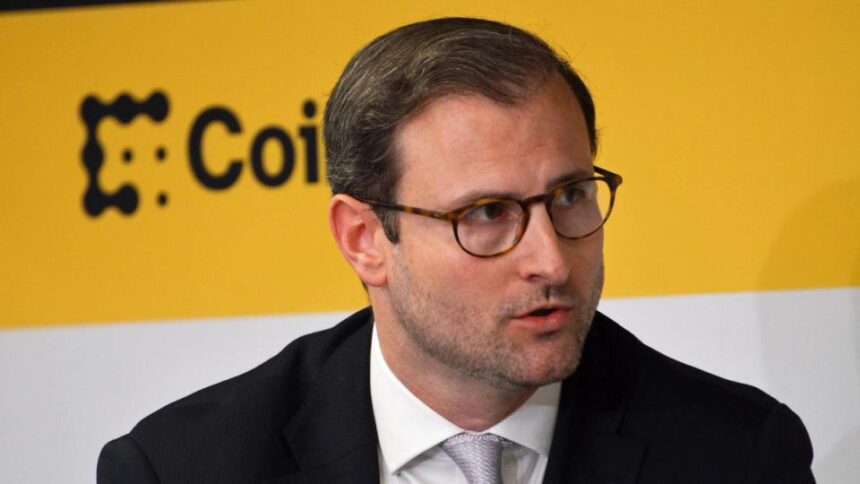
The White House’s primary crypto adviser, Patrick Witt, has indicated that efforts are ongoing to finalize a compromise aimed at advancing the Digital Asset Market Clarity Act in the U.S. Senate. In a recent interview on CoinDesk TV, Witt, who serves as the executive director of the President’s Council of Advisors for Digital Assets, expressed optimism about securing a consensus among key senators from both political parties regarding stablecoin yields.
Witt emphasized the importance of this compromise, stating, “Solving that was a must-have before we could get onto the other outstanding issues.” He noted that he has shifted focus to address other matters, some of which have already been settled, although he did not specify which issues had been resolved.
The debate over yields on stablecoins has been contentious, particularly as bankers have raised concerns that such yields could jeopardize their deposit bases. In addition to yield discussions, the Clarity Act faces other significant challenges, including measures to prevent illicit financial activities in the decentralized finance (DeFi) sector. Additionally, there have been calls from Democratic lawmakers to prevent senior government officials, such as former President Donald Trump, from profiting in the crypto arena.
While Witt refrained from disclosing the specifics of the ongoing negotiations, he noted that substantial progress has been made behind the scenes. He expressed confidence that the efforts to address complex issues will yield positive results. “We’re very close to closing them out,” Witt remarked, reflecting on previously intractable issues that now seem solvable.
Before advancing to a final vote, the Clarity Act will require a markup hearing in the Senate Banking Committee. Although it was nearly at that stage earlier this year, the process was delayed due to concerns raised by banking lobbyists about the implications of stablecoin yields.
In a related development, a report released by White House economists last week downplayed the risks that the banking sector associates with offering returns on stablecoin holdings similar to traditional bank accounts. The American Bankers Association countered this assessment, asserting that the White House’s stance is misguided. Witt acknowledged the varying perspectives within the banking community, suggesting that opinions on stablecoins are mixed, with some viewing them more favorably while others feel threatened by the emerging technology.
As negotiations continue, the future of the Digital Asset Market Clarity Act hangs in a delicate balance, with the outcomes potentially reshaping the regulatory landscape for cryptocurrencies in the United States.