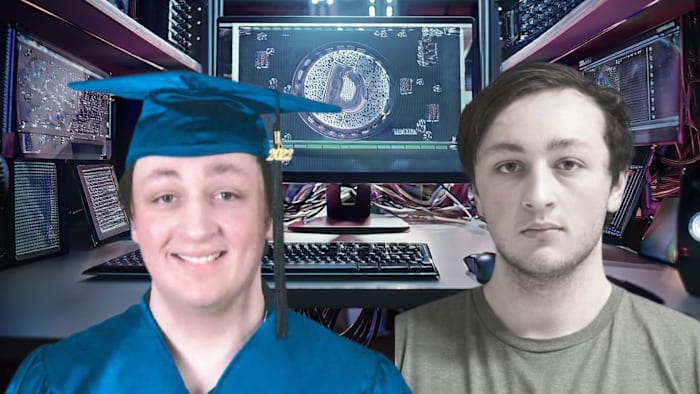
In a striking turn of events, Noah Urban, a 21-year-old from Jacksonville, Florida, faces a decade in federal prison for his role in a series of cybercrimes that starkly contrast his childhood dreams of becoming a law enforcement officer or lawyer. Urban, once celebrated as a “Citizen Hero” at just 10 years old for averting a potential traffic disaster, is now known as a hacker who engaged in sophisticated schemes to steal personal data and cryptocurrency.
Urban, who was born in South Carolina and raised in central Florida, had a tumultuous upbringing marked by his parents’ contentious divorce. Throughout his formative years, Urban was recognized as a caring and socially responsible individual, actively engaging in community service and helping those in need. His father recounted memories of Urban organizing food drives for families struggling during the holidays, emphasizing how he shunned recognition in favor of ensuring others felt cared for.
However, Urban’s trajectory changed dramatically when he immersed himself in the online gaming world. During the COVID-19 pandemic, as he withdrew from traditional schooling to be home-schooled, Urban fell into a routine of extensive gaming. This environment introduced him to illicit activities, including “SIM swapping,” where personal information was utilized to gain unauthorized access to victims’ cryptocurrency accounts.
Federal prosecutors revealed that Urban and his accomplices targeted individuals with substantial cryptocurrency holdings, manipulating subsequent security measures to steal funds. This behavior was described as a game to Urban and his friends, reflecting a mindset that dismissed the real-world implications of their actions. Urban’s illegal activities culminated in his capture by law enforcement, leading to his sentencing, where he was ordered to pay approximately $13 million in restitution to victims across the country.
During the proceedings, heartbreaking victim impact statements were presented. Victims described the emotional and financial aftermath of the cyber thefts, with some losing life savings and experiencing heightened anxiety and paranoia as a result. One retired firefighter recounted how the crime damaged longstanding friendships and left him questioning his sense of security.
At his sentencing, Urban expressed remorse. “I know what I did was wrong. I stole from people, and there’s no excuse,” he told the court, revealing his desire for rehabilitation. The federal prosecutor recognized Urban’s potential for redemption but underscored that his actions stemmed from greed and the influence of online culture.
Now residing at FCI Tallahassee, a low-security federal prison in Florida’s capital, Urban must reckon with the consequences of his actions while reflecting on the stark contrast between his childhood ideals and current reality.