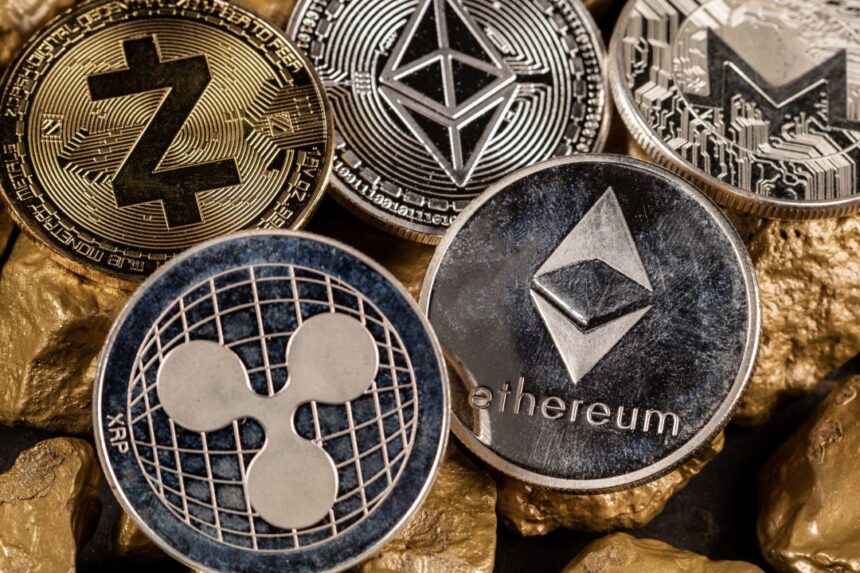
Bitcoin’s ambitious counterpart, Zcash, is currently experiencing remarkable growth, with its value surging approximately 1,140% over the past year. This striking increase stands in sharp contrast to Bitcoin, which has seen a decline of around 24% in the same timeframe.
Zcash, established in 2016 by a team of experts in technology and cryptography, functions similarly to Bitcoin but incorporates an optional privacy feature that enhances transaction confidentiality. This allows users to encrypt details about the sender, recipient, and transaction amount while also providing the option for “viewing keys” for auditors or regulators when necessary. This unique combination of privacy and flexibility is garnering significant attention and investment from notable figures in the cryptocurrency space.
Prominent advocates of Bitcoin, Tyler and Cameron Winklevoss, have recently invested in a new venture called Cypherpunk Technologies, which is actively accumulating Zcash. Additionally, Digital Currency Group (DCG), a key player in the crypto investment landscape, has reportedly made Zcash one of its primary assets. Grayscale Investments, another significant cryptocurrency entity, is pursuing the conversion of its Zcash trust into an exchange-traded fund (ETF). Barry Silbert, the founder of both DCG and Grayscale, has drawn parallels between the current Zcash enthusiasm and the early days of Bitcoin in 2013.
Despite its impressive rally, Zcash’s market capitalization is still relatively modest at approximately $8.9 billion compared to Bitcoin’s staggering $1.6 trillion. Moreover, regulatory scrutiny remains a concern for privacy-focused cryptocurrencies, although the U.S. Securities and Exchange Commission (SEC) recently concluded a probe into Zcash without initiating any enforcement actions. This uneasy relationship with regulators might influence the future trajectory of Zcash and other privacy coins.
As interest in Zcash continues to grow among investors and financial institutions, the cryptocurrency finds itself at a critical juncture, balancing the demand for privacy with the persistent scrutiny from regulators. The emerging landscape of cryptocurrencies will undoubtedly be shaped by these dynamics in the coming months.