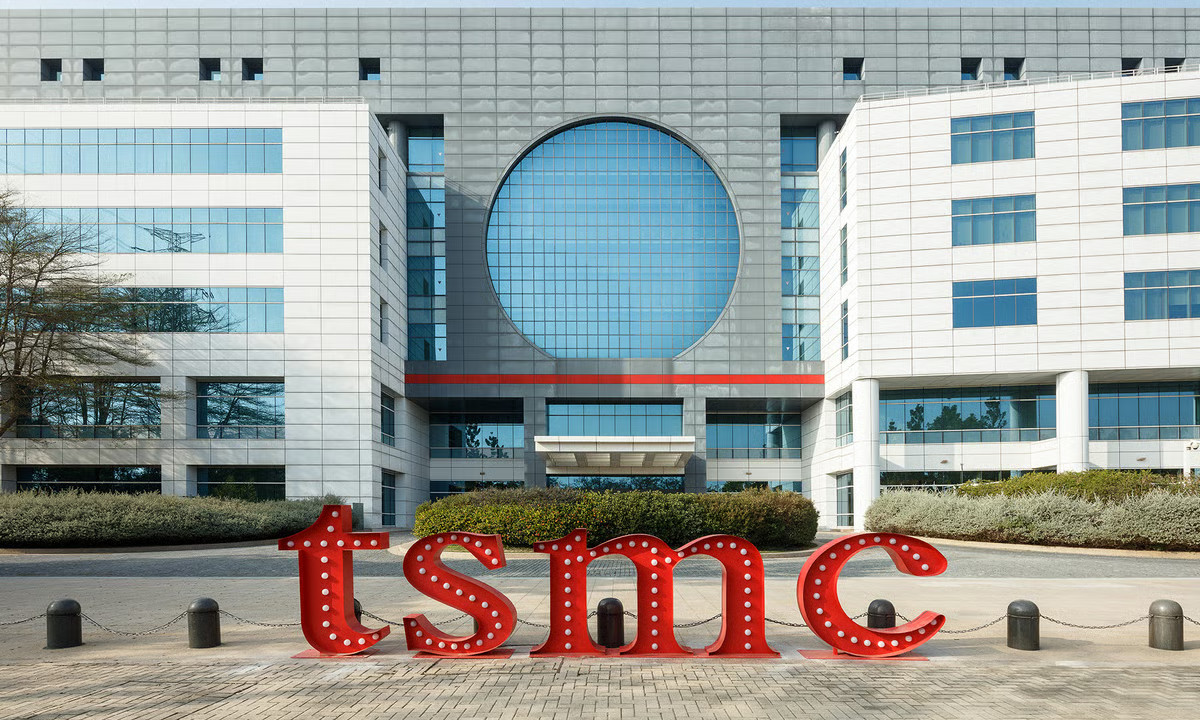
One of the most significant players in the tech industry, Taiwan Semiconductor Manufacturing Company (TSMC), has recently solidified its position as a major force in the semiconductor landscape. This company is one of just 11 entities with a market valuation exceeding $1 trillion, boasting a remarkable market cap of over $1.7 trillion following a substantial rise of nearly 54% in 2025.
As artificial intelligence (AI) continues to reshape technology, many users interacting with generative AI applications, such as OpenAI’s ChatGPT and Alphabet’s Gemini, might not fully grasp the extent to which these tools operate seamlessly. A pivotal factor in their efficiency lies in the sophisticated chips powering the data centers necessary for AI training and scaling.
TSMC operates on a foundry model, providing fabrication services for various clients instead of directly marketing chips to consumers. Major corporations, like Apple, rely heavily on TSMC for manufacturing the chips designed for their devices. Historically, the smartphone sector was TSMC’s primary revenue source; however, a significant shift occurred as the demand for advanced AI chips surged, allowing the high-performance computing (HPC) sector to surpass smartphones in revenue generation for TSMC.
Recent data paints a clear picture of this transition. In the third quarter of 2025, TSMC’s HPC revenue skyrocketed to $18.87 billion, marking an impressive increase from $7.26 billion in the same period the previous year and well surpassing the total revenue of $14.88 billion reported in Q3 2021. In contrast, revenue from smartphone chips showed a decline in prominence, comprising just 30% of total revenue in Q3 2025, down from 44% in Q3 2021.
Despite the heightened focus on AI chips, TSMC remains essential across a range of technologies, from smartphones and computers to tablets and even automobiles. Even if there’s a potential cooling in AI demand, TSMC’s core business is expected to stay strong, providing a cushion against fluctuating market trends. While growth might slow, the foundational role TSMC plays in technology ensures its continued relevance.
Competitively, TSMC stands head and shoulders above its rivals such as Samsung Electronics and Intel, attributed to its advanced production technologies and superior yield rates. Currently, TSMC holds a staggering 72% market share in the general chip foundry market, with over 90% in the realm of advanced AI chips.
Considering TSMC’s historical performance, averaging annual returns close to 22% over the past five years, the outlook for its stock remains optimistic. Investors may see it as a stalwart addition to their portfolios, bolstering long-term growth potential.
As TSMC continues to be a linchpin in the technological framework, its pivotal role cannot be overstated. The implications of a world without TSMC would likely lead to a noticeable decline in the quality of technology products, thereby reinforcing TSMC’s status as an integral asset in the tech landscape and a compelling consideration for investors seeking stability and growth in their portfolios.