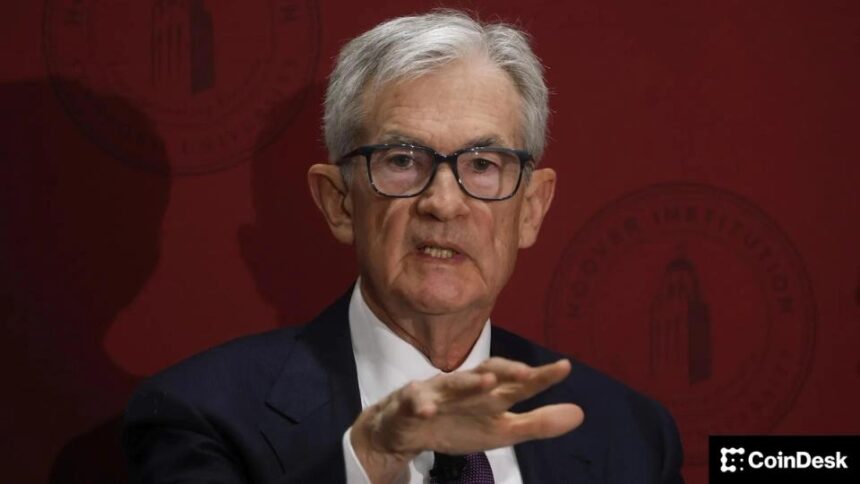
Bitcoin experienced a significant downturn on Wednesday, sliding below the $71,000 mark amid fresh concerns over inflation linked to rising oil prices amid ongoing conflict in Iran. This drop came on the heels of remarks from Federal Reserve Chair Jerome Powell, who highlighted the potential for elevated inflation as energy prices surged.
The Federal Reserve opted to maintain interest rates, a decision anticipated by many market watchers. However, during the subsequent press conference, Powell pointed out the impact of the current oil price situation on the central bank’s inflation forecasts. “The oil shock for sure shows up” in higher inflation projections, he stated, expressing uncertainty about how long this effect could last. In light of these developments, policymakers have adjusted their inflation forecast for 2026, increasing it from 2.4% to 2.7%, reflecting concerns that inflation may be more persistent than initially expected.
Despite these warnings, Powell was quick to dismiss comparisons to the stagflation of the 1970s. He emphasized that current economic conditions differ significantly, noting stable unemployment rates and only a modest rise in inflation above target levels. “I would reserve the term stagflation for a much more serious set of circumstances,” he declared, suggesting that while there are challenges, the situation is not dire. He acknowledged the evolving tensions between economic growth and inflation management as a complex environment for the Fed.
Market reactions to Powell’s comments were cautious. Leading up to the Fed’s announcement, investors were already unsettled by disappointing inflation data from February and the ongoing geopolitical unrest affecting oil supply. As trading progressed Wednesday, Bitcoin saw a notable decline, dropping from $71,145.28 to around $70,900, marking nearly a 5% decrease in just 24 hours. Additionally, Ether fell by 6.5%.
Broader financial markets also experienced downturns, with the S&P 500 and Nasdaq closing at their respective lows, down 1.4% and 1.5%. Gold prices continued to decline, falling below $1,850 an ounce, a 3.1% drop and the lowest price seen in over a month.
Digital asset-related stocks mirrored the downturn in cryptocurrency prices. Companies such as MicroStrategy, the largest corporate holder of Bitcoin, and Bitmine, a leading Ethereum firm, saw their stock prices decline by 5% to 6%. Investment firm Galaxy dropped nearly 7%, and crypto exchange Gemini plummeted 15%, hitting its lowest point since becoming publicly traded the previous year. This reflects the wider uncertainty in the market as traders navigate the complex interplay of inflation, energy prices, and ongoing geopolitical issues.