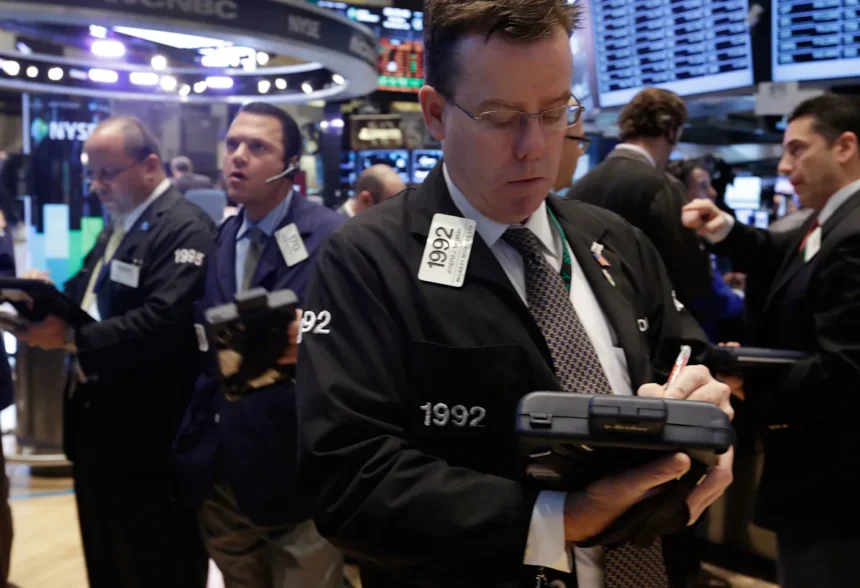
US stocks experienced further declines on Thursday as surging oil prices ignited inflation concerns amid escalating geopolitical tensions in the Middle East. The Dow Jones Industrial Average fell 0.5%, concluding a rough trading session that marked its lowest closing level of the year. Similarly, the S&P 500 and the Nasdaq Composite reported losses of 0.5% and 0.6%, respectively, after previously larger dips earlier in the day.
Brent crude futures saw a significant increase, briefly climbing as much as 10% to reach $119 per barrel before stabilizing around $112. This spike was fueled by recent strikes between Iran and Israel on crucial oil and gas infrastructure. The unrest prompted worries that the ramifications could extend beyond what was initially anticipated. In comparison, West Texas Intermediate crude lagged behind, trading around $96 per barrel, with the price gap between these two benchmarks reaching its widest point in years.
The markets were already grappling with the Federal Reserve’s increased inflation forecasts, dampening hopes for imminent interest rate cuts. Although the Fed suggested that a single rate cut might be possible this year, expectations leaned heavily towards maintaining the current rates, especially following hawkish comments from Chair Jerome Powell.
Economic updates released on Thursday showed that jobless claims fell to 205,000, while attention turned to the forthcoming Philadelphia Fed Manufacturing Index report. Meanwhile, on the corporate front, shares of Micron dropped significantly in premarket trading due to investor concerns over its AI spending strategy overshadowing its strong earnings. Alibaba also faced challenges as its stock plummeted after a 67% year-on-year decline in quarterly profits raised alarms about the effectiveness of its AI investments.
Investor sentiment was further rattled by Powell’s remarks, which created a bearish atmosphere across the stock and bond markets. The DJIA and S&P 500 opened close to their November lows, while the Nasdaq Composite tested September levels. All three indexes now reflect negative performance over the past six months. The market’s recalibrations shifted the anticipated timeline for rate cuts, moving expectations for any potential easing until October 2027, a stark contrast to previous forecasts that anticipated cuts by December.
The decline was particularly pronounced among cyclical stocks, with materials, industrials, technology, and consumer discretionary sectors experiencing the brunt of the sell-off. However, software stocks managed to show some resilience, posting slight gains amidst broader losses, raising questions about the sustainability of this performance.
Additionally, a more intricate analysis of market behavior revealed a striking concentration of gains within certain trading days of the week. Since April, Mondays and Wednesdays have accounted for virtually the entire rise in the S&P 500, collectively generating over 100% of the index’s gains during this period. Conversely, Thursdays have seen a notable decline, especially following a slow deterioration in software leadership as investor focus shifted towards more defensive sectors like healthcare and utilities.
In light of the turmoil, Thursday’s market opening displayed significant movement in both equities and commodities. The Nasdaq Composite led the downward trend at the open with a decline of about 1.2%, while the S&P 500 and DJIA also registered losses of approximately 0.8% and 0.7%, respectively.
The latest geopolitical events have deeply impacted energy markets as well; European natural gas prices saw a dramatic rise following attacks on major LNG infrastructure in Qatar, igniting fears of inadequate supply to European markets.
Amid these developments, investors scrutinized the Federal Reserve’s stance on the ongoing crisis in the Middle East, eager for insights into how it may affect future monetary policy. Overall, the day marked a tumultuous chapter for investors, characterized by rising oil prices, fluctuating inflation concerns, and significant corporate losses within key tech firms.