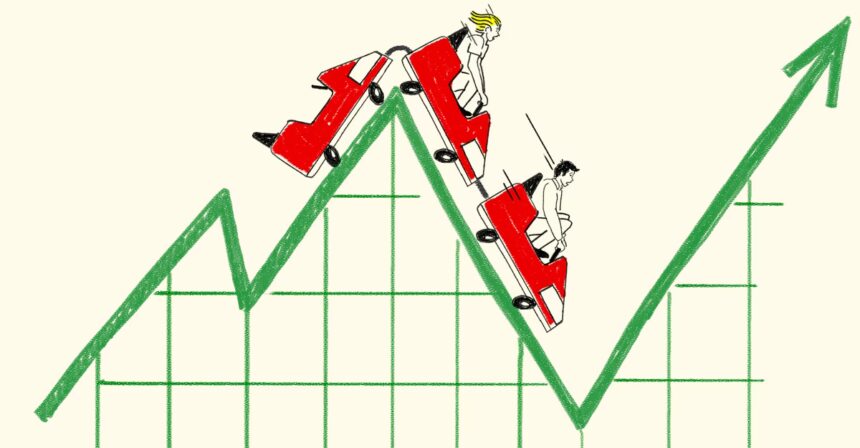
The ongoing military stalemate between the United States and Iran has cast a long shadow over the global oil supply chain, leading to skyrocketing gas prices and a renewed uptick in inflation, which is now above 3 percent. Consumer confidence is plummeting, with many Americans expressing a bleak outlook on the economy. Despite these troubling signs, the S&P 500 has surged by an astonishing 29 percent over the past year, even reaching an all-time high last week. Following an initial sell-off at the war’s onset, stock prices have rebounded by 13 percent within just 30 days, suggesting that investors remain largely unfazed by geopolitical tensions and oil blockades.
This seeming disconnect between the stock market’s resilience and the growing economic anxiety among the public raises questions about the underlying dynamics at play. Stock values are climbing primarily due to robust corporate profits, defying the doomsday narratives shaped by external chaos. The stock market’s performance does not reflect the prices of everyday goods like milk; instead, it’s a gauge of corporate health, which, at this moment, appears strong.
The “Magnificent Seven,” a group of leading tech companies, exemplify this trend. Many reported unprecedented quarterly earnings last week, with Alphabet projected to exceed $120 billion in profits this year, while Nvidia is expected to nearly double its earnings from the previous year. Meta has also seen its earnings rise by an impressive 61 percent year over year. Collectively, these tech giants are on track to generate profits exceeding half a trillion dollars.
This trend isn’t confined to technology; close to 80 percent of S&P 500 companies that have reported earnings to date have exceeded expectations. The average profit margin for these companies has reached its peak in 15 years, a positive trend that gained momentum post-pandemic. Factors driving this robust profitability include increased pricing power due to inflation and market consolidation, rising productivity potentially fueled by AI technologies, and a strengthening tech sector.
Yet, some strange occurrences in the market call into question its rationality. For instance, Allbirds, a former shoe company, announced a pivot to artificial intelligence, resulting in its stock price skyrocketing sevenfold overnight. Since the onset of the COVID-19 pandemic, retail investors have developed a tendency to “buy the dip,” perceiving economic downturns as bargain opportunities regardless of prevailing geopolitical threats.
Nonetheless, there is evidence that investors are remaining vigilant regarding companies’ performance metrics. Stocks of companies that fail to meet sales expectations or earnings forecasts are being punished in the marketplace. A notable example is Nike, which saw its stock plummet over 15 percent in a single day after warning of projected revenue declines.
While the stock market’s price-to-earnings ratios signal potential overvaluation—though they’re not at the inflated levels seen during the internet bubble—many investors appear to be reasonably factoring in the high and sustainably growing corporate earnings. The critical question moving forward will be whether these optimistic assumptions will hold true in the face of rising energy costs, which are drastically affecting corporate profits and costing the average American consumer an estimated $4 billion each month. If the current trends persist into the summer, businesses may face a downturn from reduced consumer spending.
Additionally, the enthusiasm around the AI boom poses its own set of risks. Companies are heavily investing in new data centers and AI infrastructure, which could pay off if demand remains strong. However, if the anticipated profits from AI do not materialize as projected, the ramifications for these companies could be substantial.
For the time being, many investors, buoyed by years of growth and resilient corporate earnings, seem to view these concerns as distant issues. Despite widespread belief that the stock market serves as a barometer of the economy’s health—a sentiment echoed by figures, including former President Trump—the chasm between investors’ perspectives and the everyday experiences of average Americans is becoming increasingly pronounced.