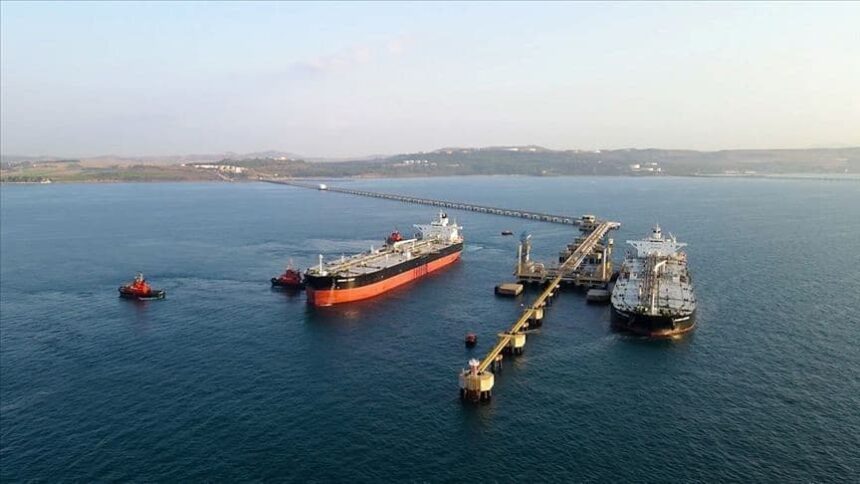
The oil market is facing potential upheaval, particularly if the Strait of Hormuz continues to remain blocked beyond March. The disruption in this crucial shipping lane has already manifested as significant supply losses from the Middle East, creating a ripple effect across Asia, which is heavily reliant on oil and gas imports from the Gulf. Many Asian nations are now rationing fuel, instituting bans on exports, and paying substantial premiums for alternative crude supplies, as the Middle Eastern grades are effectively trapped due to the blockage.
Traders and speculators in the oil market are navigating an environment of extreme volatility, heavily influenced by the proclamations of U.S. President Donald Trump. His mixed messaging—which oscillates between threats, peace proposals, and claims of ongoing negotiations with Iran—has led to sharp fluctuations in oil prices. For instance, prices plummeted by 10% between Monday and Wednesday, reflecting market optimism surrounding possible negotiations.
However, the fundamentals of the supply situation tell a more sobering story. The obstruction of oil transport has forced Middle Eastern producers to curtail output, resulting in a loss of millions of barrels per day. As shortages begin to impact Asian markets, they’re likely to extend to Europe shortly thereafter.
Despite the apparent physical supply constraints, the paper trading market appears to be complacent. The gap between the U.S. benchmark, WTI Crude, and the international benchmark, Brent Crude, has widened to over $10 per barrel. This pricing gap reflects the fact that Asian refiners do not have a pressing need for U.S. crude, primarily light sweet oil that cannot be processed as effectively in their facilities. Consequently, Brent and Middle Eastern crude prices are poised to rise in response to the ongoing supply challenges.
Amrita Sen, the founder of consulting firm Energy Aspects, emphasized that Asia is aggressively competing for every available barrel worldwide. Analysts suggest that if the blockage persists for a few more weeks, Brent prices are likely to eventually align with the surge in physical crude from the Middle East. Predictions are dire, with some analysts estimating that oil prices could soar to $150 per barrel or more if the conflict continues unabated through March.
To date, over 130 million barrels of crude have been lost from Middle East markets since the onset of disruptions. The cumulative outages could reach up to 600 million barrels by the end of April if the flow of oil does not resume soon. Middle Eastern producers have already shut in approximately 10.7 million barrels per day of output, a figure that might escalate to about 11.5 million barrels per day if the situation does not improve.
Several regional refineries, including those in Saudi Arabia and Bahrain, have also been hit and are either shutting down or reducing their operational capacities. This trapped supply is not only forcing Asian refiners to pay inflated premiums for alternative crude—such as the Norwegian Johan Sverdrup grade—but is also leading to reduced processing rates. Consequently, fuel prices are climbing, causing various governments to implement measures like four-day work weeks and fuel bans, which are sending ripples through global supply chains, particularly in jet and diesel markets.
Warnings of potential energy shortages in Europe by late April have already been sounded, with experts predicting that the repercussions of this disruption will extend well beyond Asia. The situation underscores the diminished ability of any external parties—such as the U.S.—to influence outcomes while Iran retains strategic leverage through its control over the Strait of Hormuz.
As the conflict remains unresolved, the oil market stands on the brink of a significant crisis, determined largely by the ongoing dynamics in the Middle East.