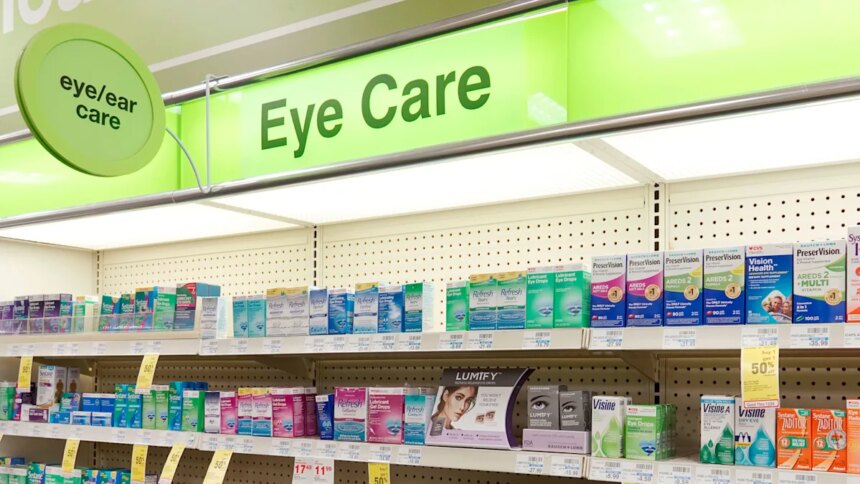
U.S. health regulators have issued a cautionary warning for consumers to thoroughly check their eye drops, following the voluntary recall of approximately 3.1 million bottles sold across pharmacies nationwide. This action arises from concerns that these products, manufactured by K.C. Pharmaceuticals, may not meet sterility standards. The recall encompasses a range of items, including Artificial Tears, Advanced Relief, Dry Eye Relief, and Redness Lubricant drops.
While the recall does not confirm any actual contamination, it indicates that the manufacturer is unable to assure consumers that the eye drops are free from harmful bacteria or fungi. As part of this precautionary measure, the Food and Drug Administration (FDA) has urged consumers to inspect their medicine cabinets for any potentially unsafe products and dispose of them properly.
The recall includes eight different eye drop products produced by K.C. Pharmaceuticals, sold under various generic store brand names, including Kroger, H-E-B, CVS, Rite Aid, and Walgreens. Among the affected items are Advanced Relief Eye Drops, Ultra Lubricating Eye Drops, and Sterile Eye Drops in both original and redness lubricant formulations. The expiration dates on these products range from April 30 to July 31, 2026, and they can be identified using their Universal Product Code or National Drug Code numbers.
Consumers who have purchased any of the recalled eye drops are advised to discard the products. Although the recall notice did not explicitly outline return procedures, the FDA suggests that items may be returned to the point of purchase for a refund. K.C. Pharmaceuticals initiated the recall on March 31, and it is likely that affected products have already been removed from store shelves. Nonetheless, shoppers are encouraged to verify labels against the recall list if they plan to buy eye drops.
Fortunately, no contamination has been reported, nor has there been any evidence of infections resulting from the use of these specific eye drops. The recall is primarily due to a lack of assurance that the products were manufactured in sterile conditions. If any contamination occurred, there could be a risk of harmful bacteria, fungi, spores, or viruses being present, potentially leading to serious health problems.
Dr. Nicole Bajic, an ophthalmologist at the Cleveland Clinic, highlighted the critical importance of using sterile eye drops to avoid sight-threatening infections. Infections can cause a range of symptoms, including significant pain, yellow or green discharge, and blurred vision. Alarmingly, in 2023, 81 patients developed antibiotic-resistant infections from contaminated eye drops, resulting in four fatalities and several cases requiring surgical intervention.
Bajic notes that distinguishing between common eye irritation and a potential infection can be challenging for patients. She advises anyone experiencing worsening symptoms, such as persistent eye pain or light sensitivity that does not improve with over-the-counter remedies, to seek medical attention promptly.
The FDA enforces a stringent manufacturing process to ensure the safety of sterile eye products. This includes maintaining controlled environments, thorough microbial testing, and an observation period for harmful growths. If any issues are detected, manufacturers must recall the products, with FDA oversight to enforce compliance.
Recalls related to sterility are more prevalent in over-the-counter eye drops compared to prescription products, but remain uncommon due to rigorous regulatory measures. When they do occur, health officials stress the importance of consumer vigilance.
To use eye drops safely, consumers are advised to select true artificial tears rather than redness-reducing products, which can exacerbate issues over time. The rise in recalls, particularly among generic brands, has led some health professionals to recommend brand-name products for increased reliability. Consumers are also cautioned against “natural” or “homeopathic” eye drops that lack FDA regulation, as these may carry risks due to unverified ingredients.