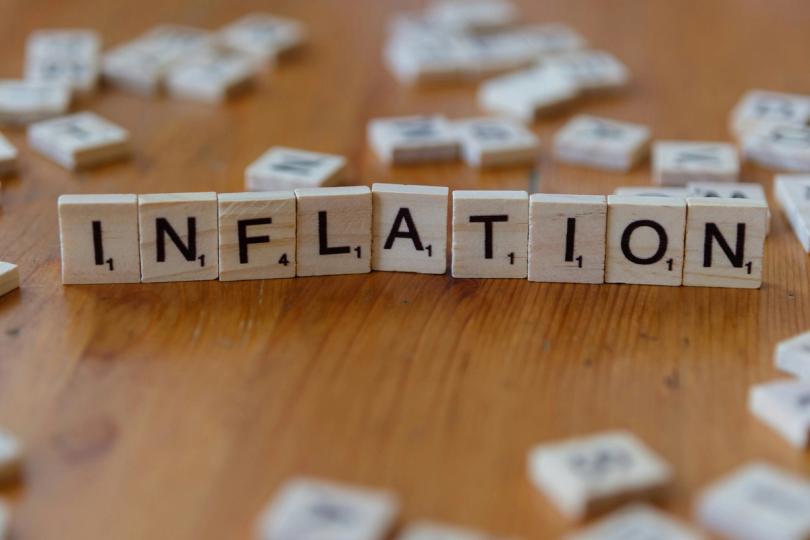
U.S. producer prices for April surged significantly beyond expectations, presenting a challenge for the Federal Reserve as it contemplates future monetary policy adjustments. The Producer Price Index (PPI) rose by 1.4% month-over-month, a figure nearly three times higher than the anticipated increase of 0.5%. Year-on-year, producer inflation accelerated to 6%. When excluding volatile food and energy prices, the core PPI climbed by 1% for the month and registered a year-over-year increase of 5.2%, both metrics exceeding forecasts.
This unexpected spike in producer prices aligns with inflation data released earlier that week, which showed the Consumer Price Index (CPI) rising 3.8% year-over-year, marking the highest inflation rate recorded in nearly three years. Analysts are now concerned that inflation is reaccelerating, complicating the Federal Reserve’s strategy toward easing monetary policy later this year.
In the cryptocurrency market, Bitcoin, which had previously traded above $81,000, experienced a rapid decline immediately following the inflation news, dropping below the critical $80,000 threshold before slightly recovering. At the time of reporting, Bitcoin was valued just above $80,000, reflecting a decrease of about 0.8% in the previous 24 hours.
Equity futures displayed relative stability ahead of the U.S. market opening, with Nasdaq 100 futures up 0.2% while S&P 500 futures remained mostly unchanged. However, the surprising inflation numbers add another layer of uncertainty for the Federal Reserve, particularly as policymakers are grappling with rising energy prices linked to the ongoing situation in Iran and the potential for supply disruptions around the Strait of Hormuz. The increase in oil prices poses a risk of further feeding into inflation data in the upcoming months.
Furthermore, the report opens the debate on whether the Fed might have to consider tightening its policy rather than pursuing cuts, despite ongoing pressure from President Donald Trump, who has called for lower interest rates. The context is particularly sensitive as Kevin Warsh is set to assume leadership of the Federal Reserve. Investors are closely monitoring how the new chair will manage the balancing act between mitigating looming growth risks and tackling the resurgence of inflationary pressures.